|
| ::::: |
|
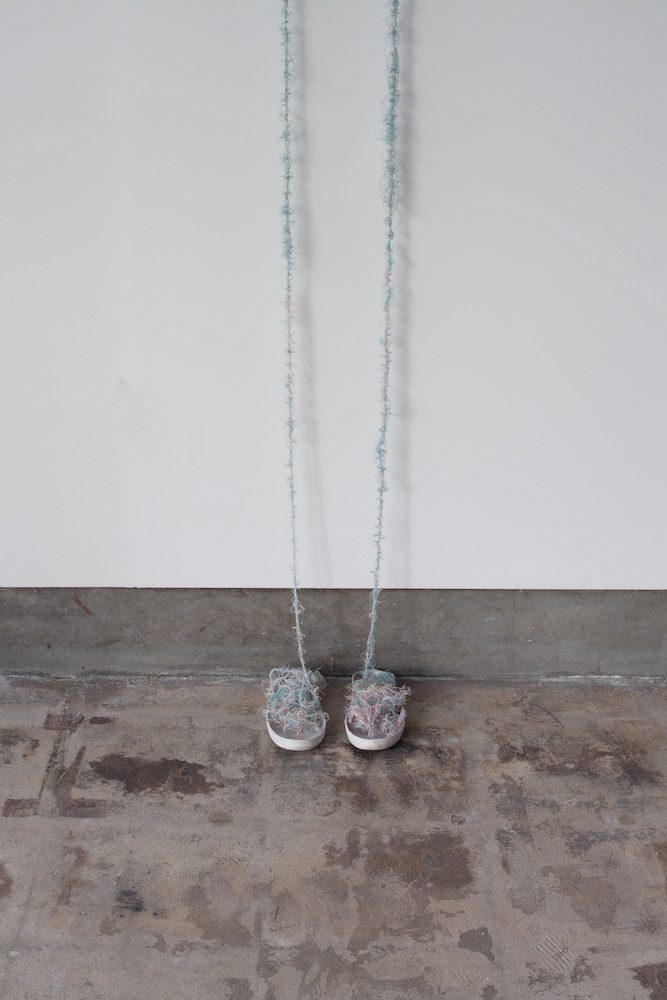
111 untitled -VANS stars & stripes- 2024 Material : VANS sneaker dimensions variable (ca.30 x 272 cm) | 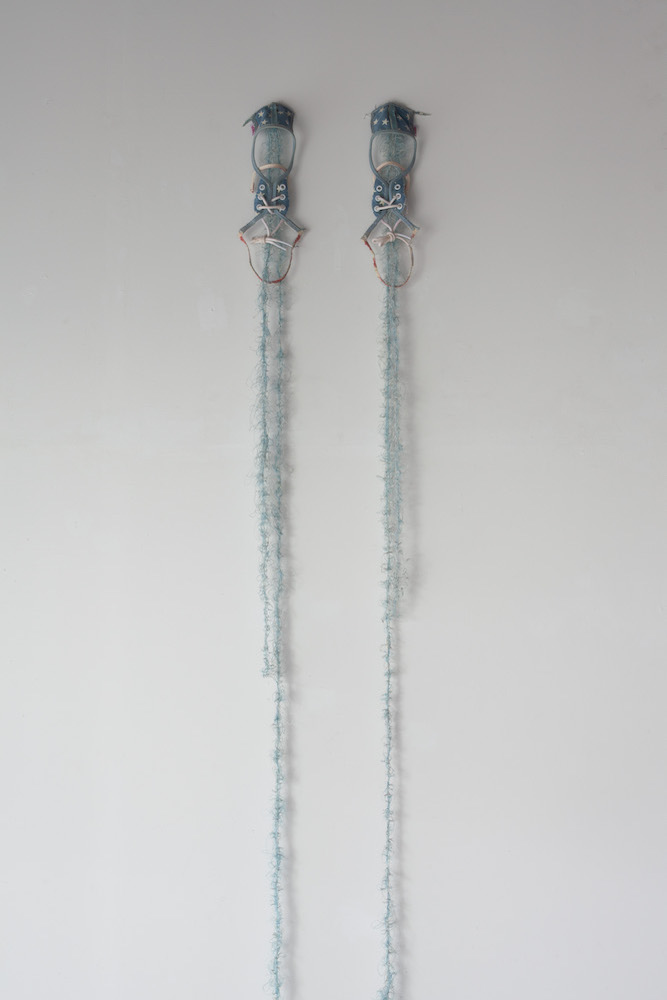 |
 |
|
110 untitled -heart hinomaru- 2024 Material : old Japanese flag, wooden pole 220 x 10 x 130cm(HxDxW) | 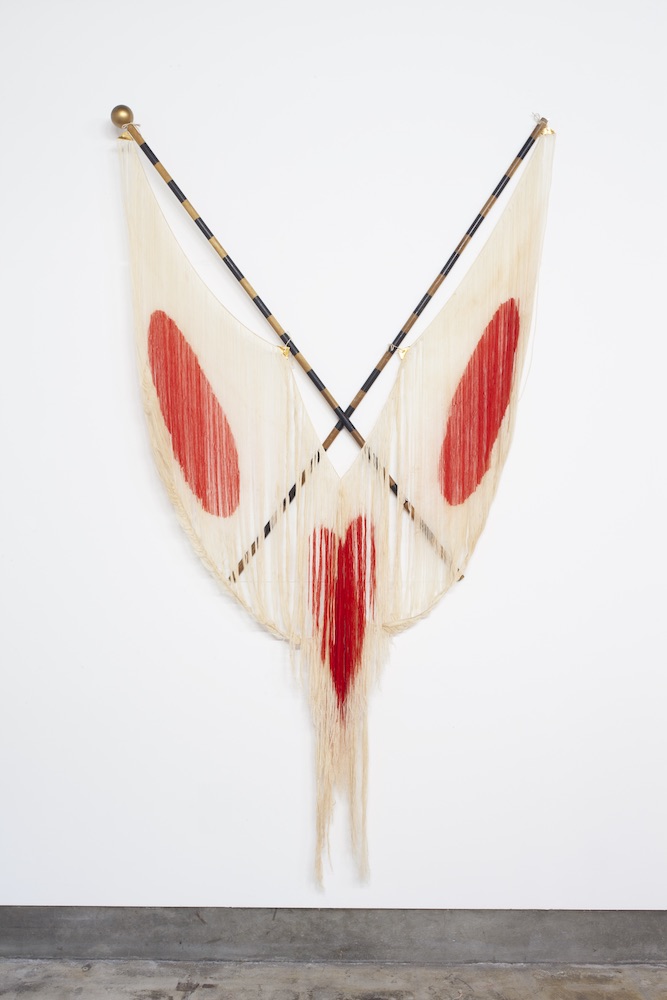 |
|
108 2024 2023 Material : calender 40x20x15cm(HxDxW) | 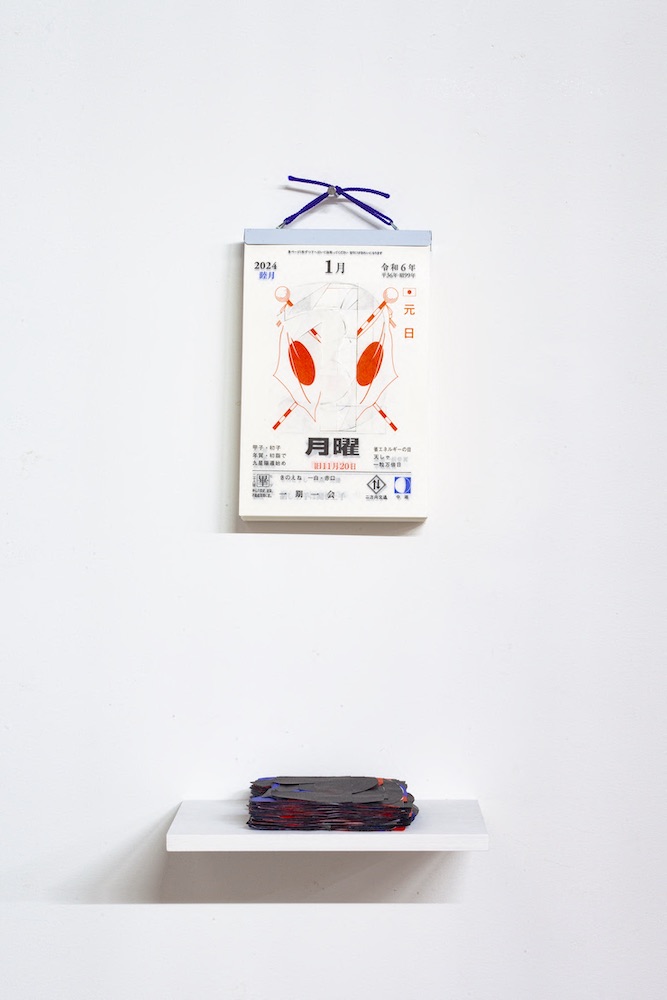 |
|
107 rope -hinomaru- 2023 Material : old Japanese flag 75x7x7cm, 65x7x7cm, (HxDxW) | 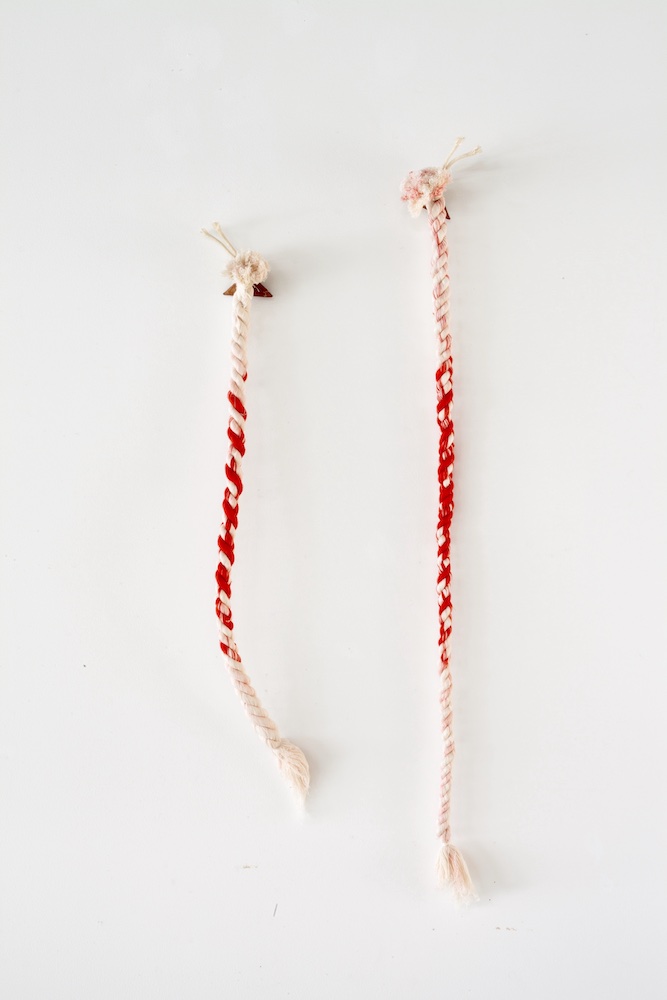 |
|
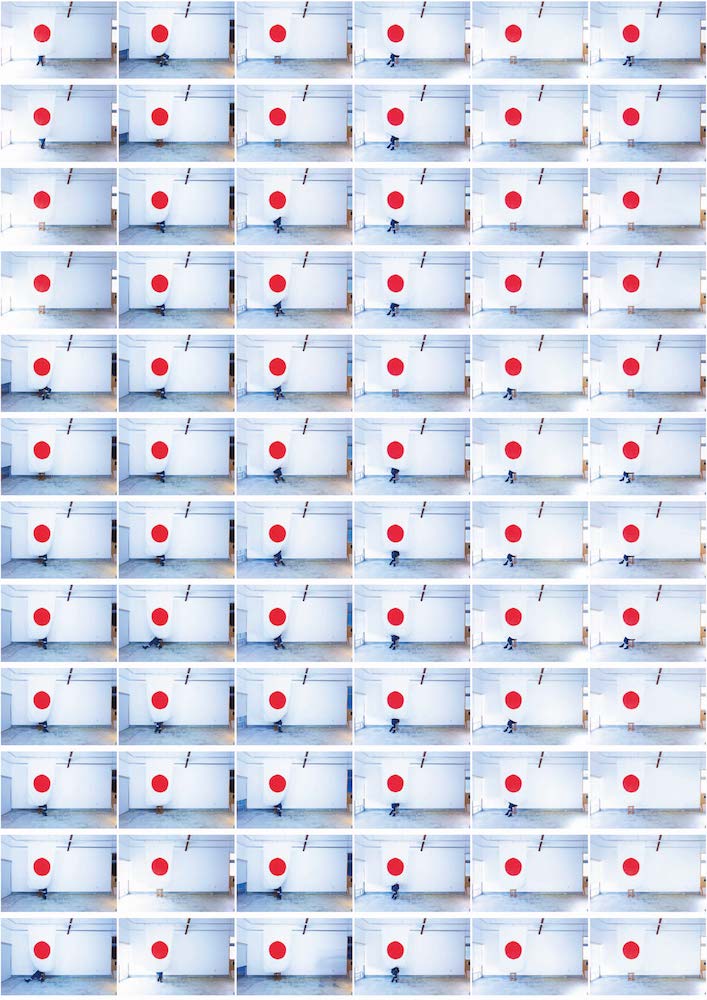
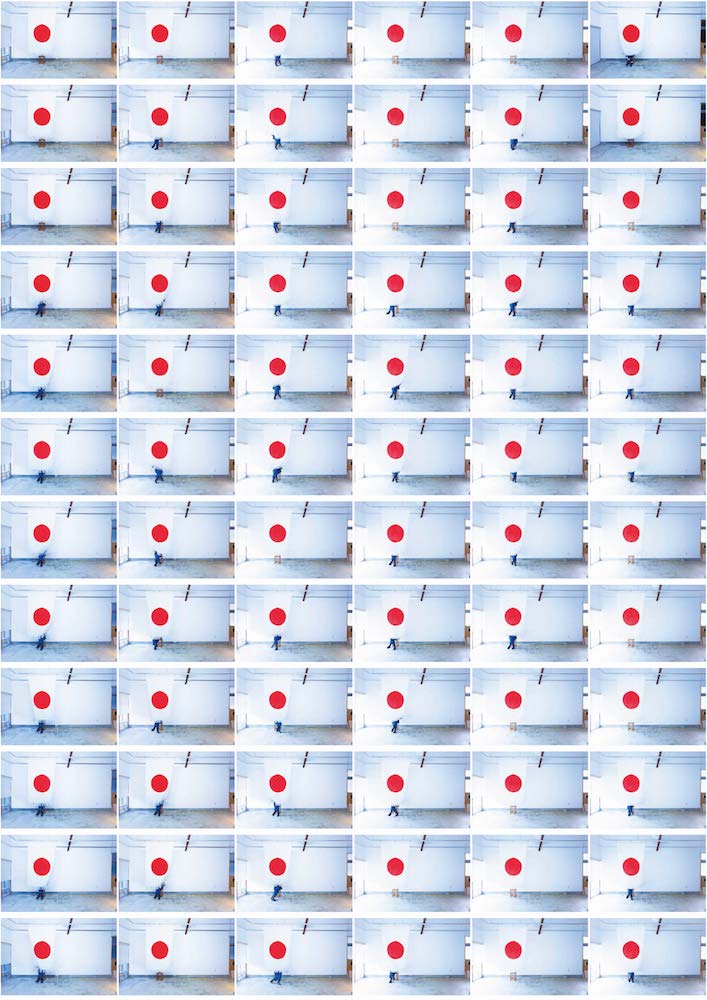
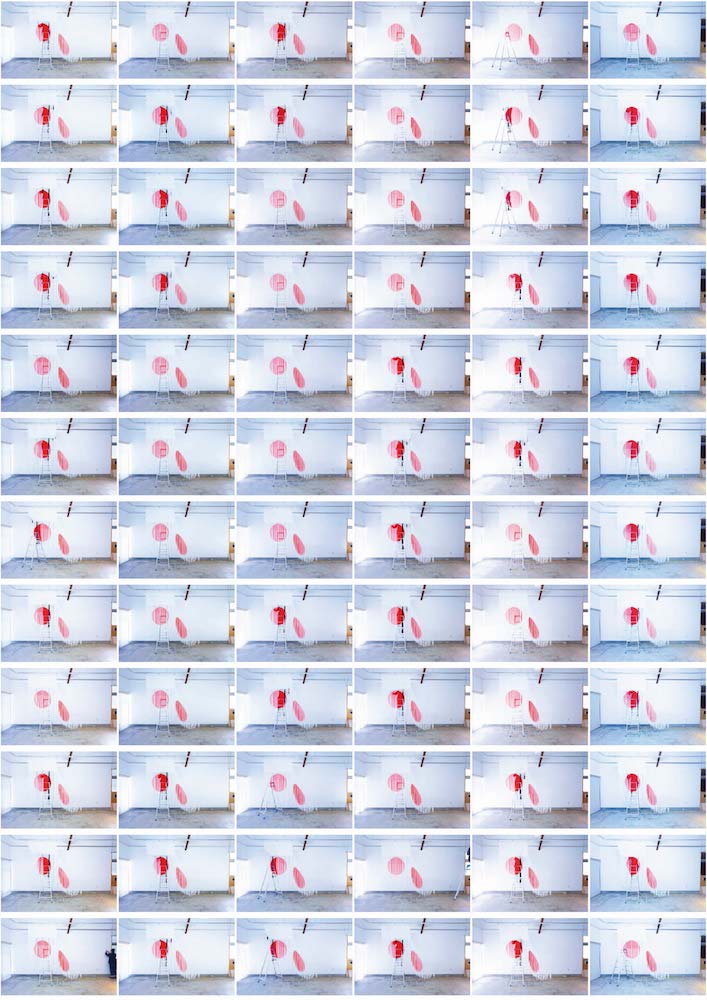
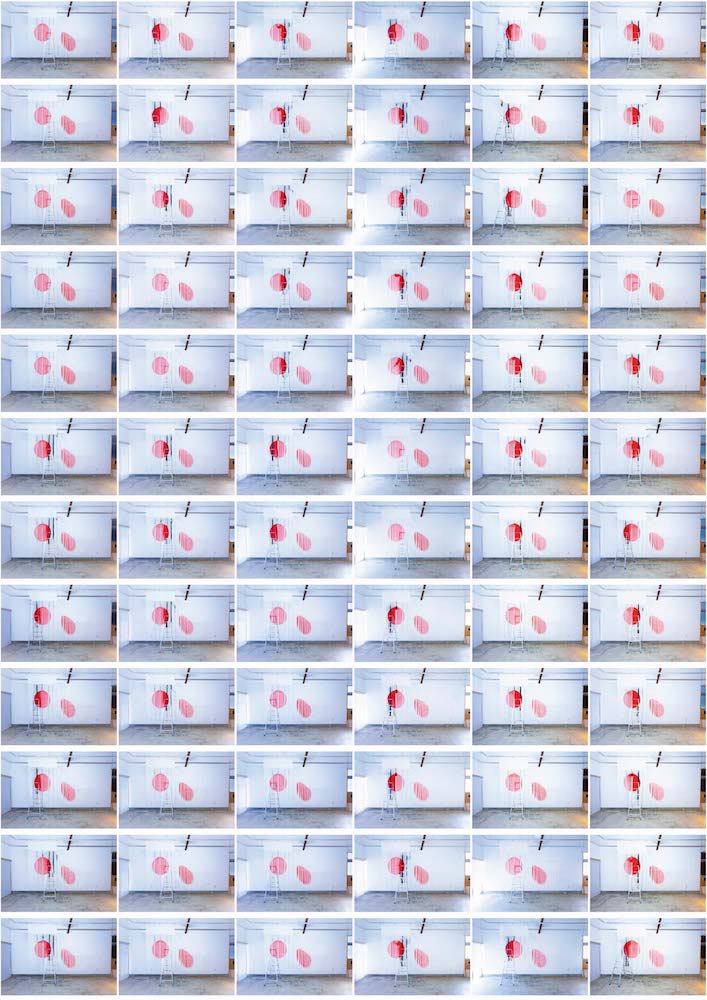
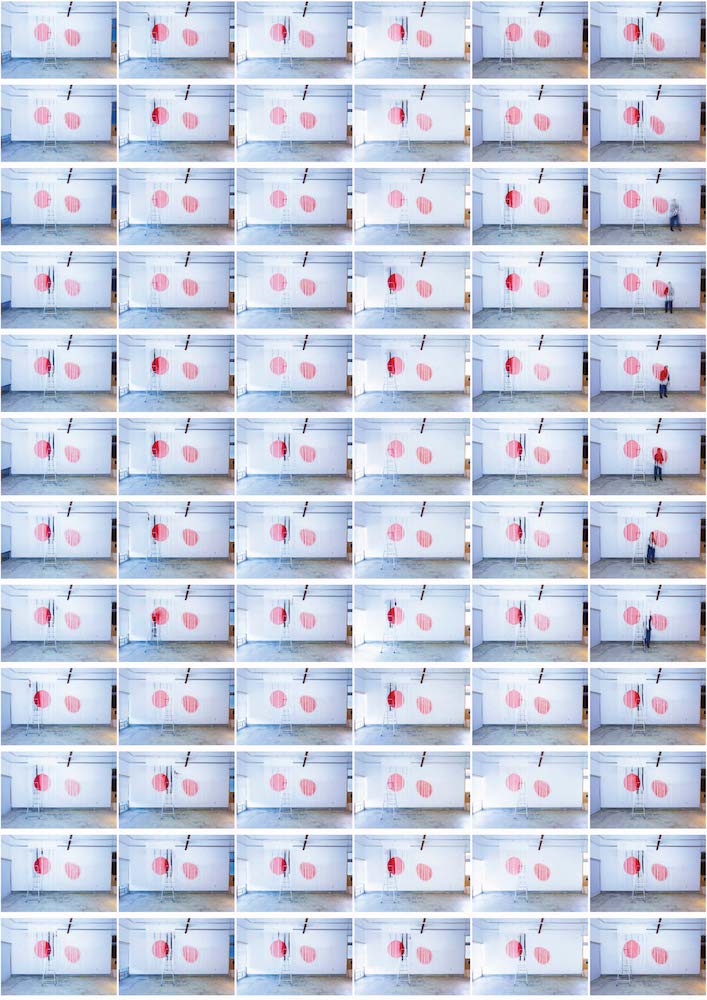
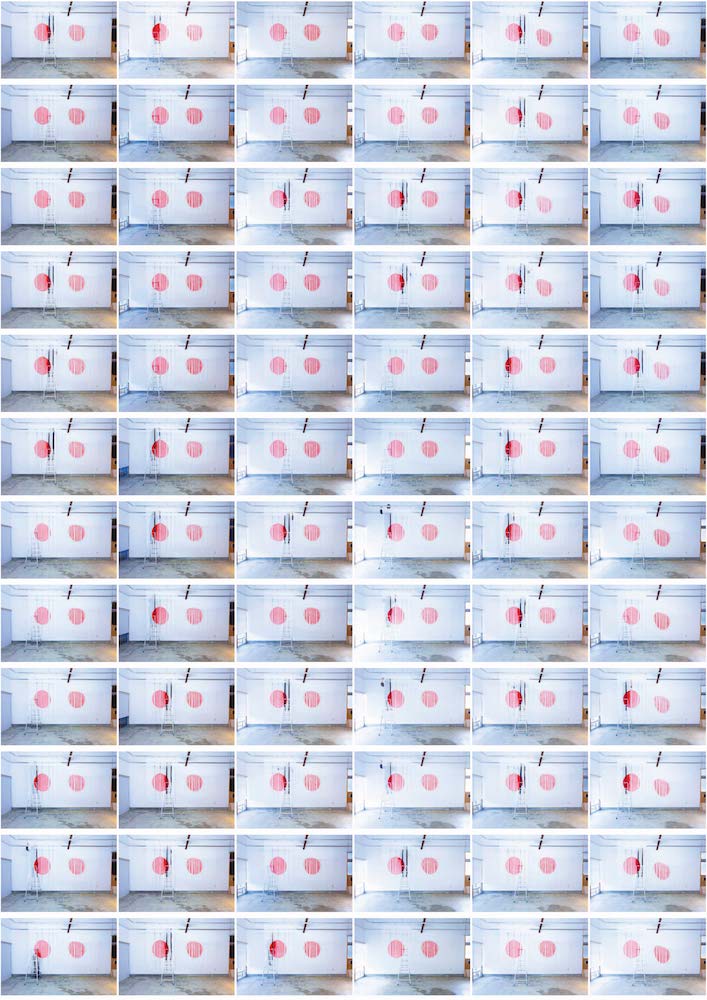
106 untitled -hinomaru- 2023 Material : old Japanese Flag(140x210cm) | 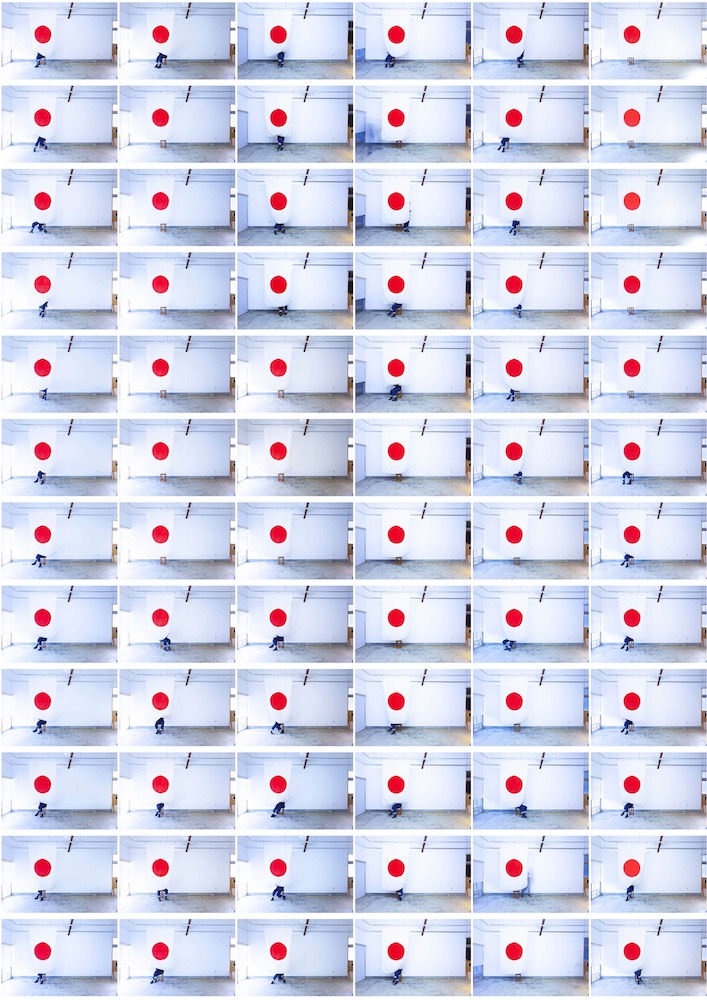 |
 |
 |
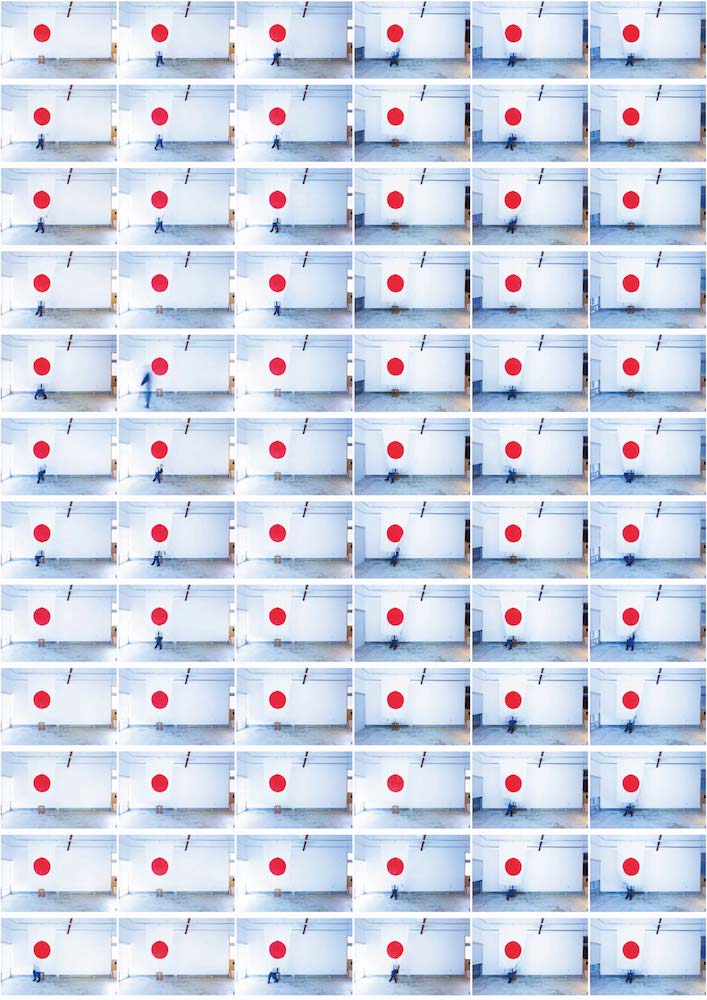 |
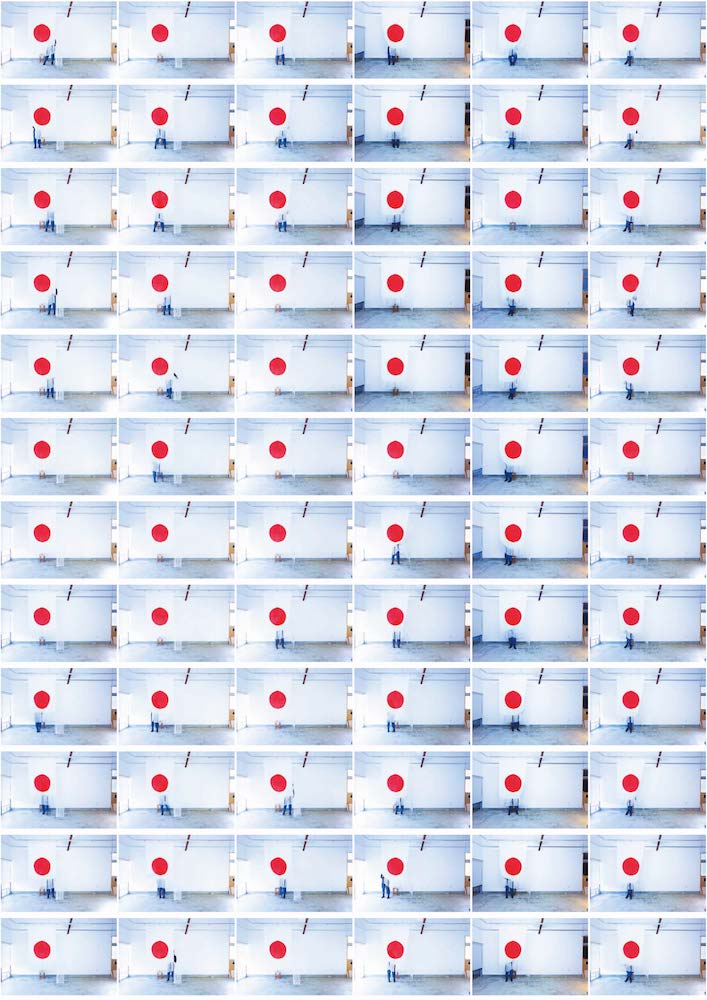 |
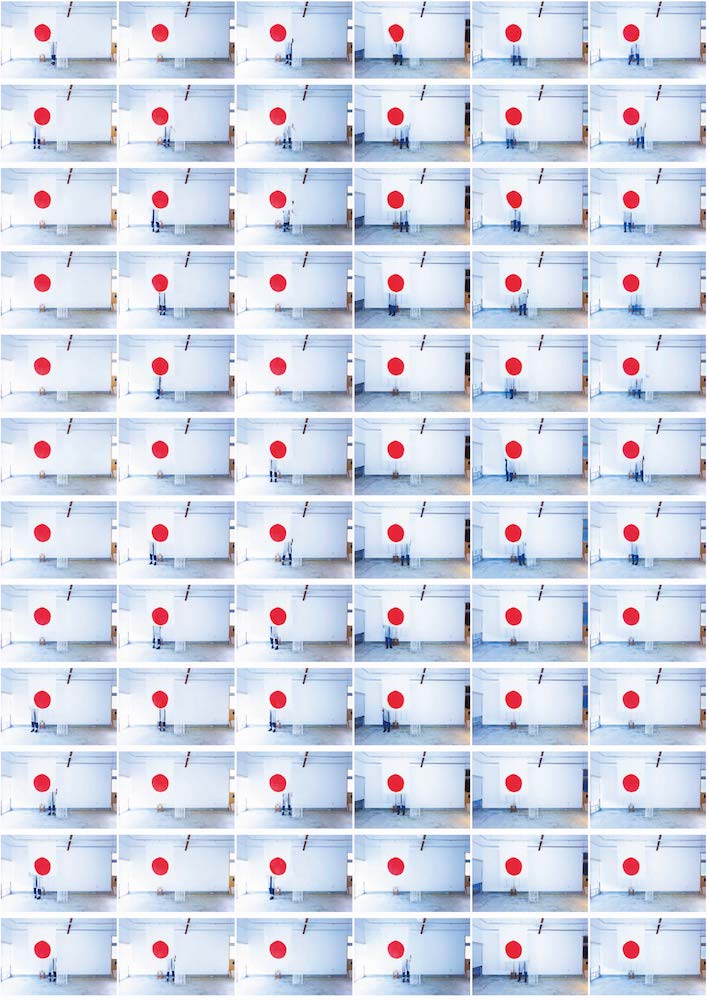 |
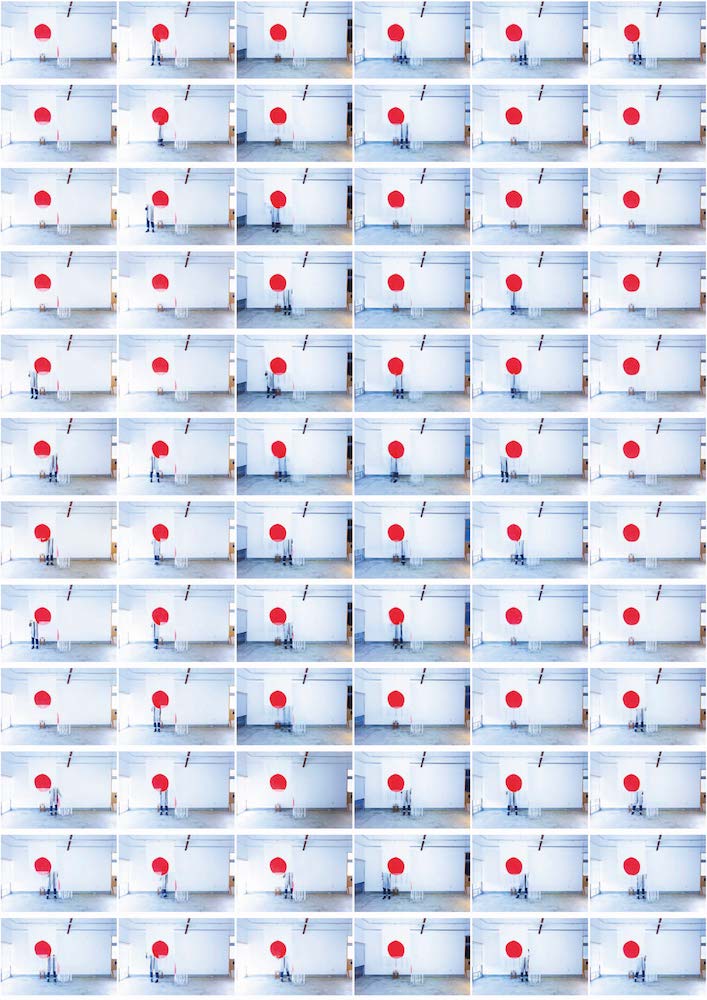 |
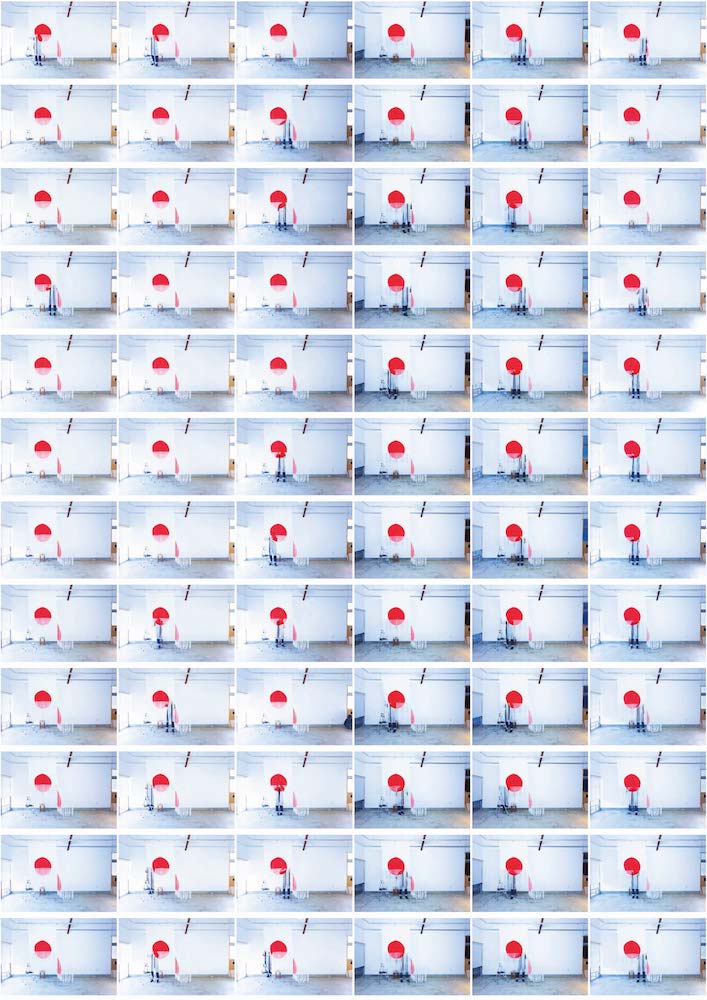 |
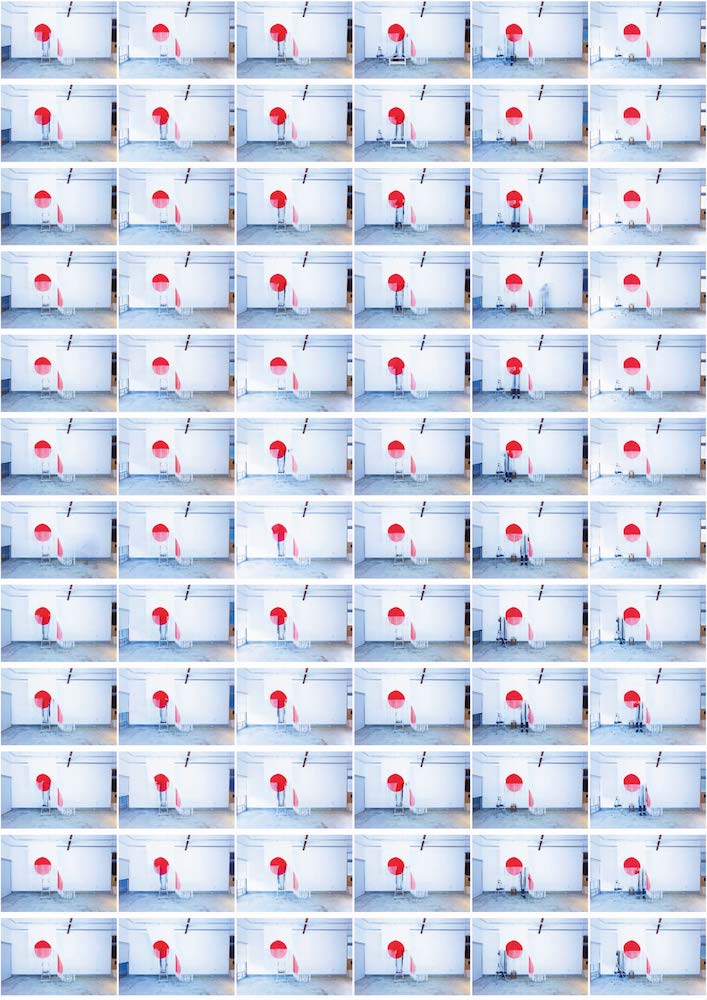 |
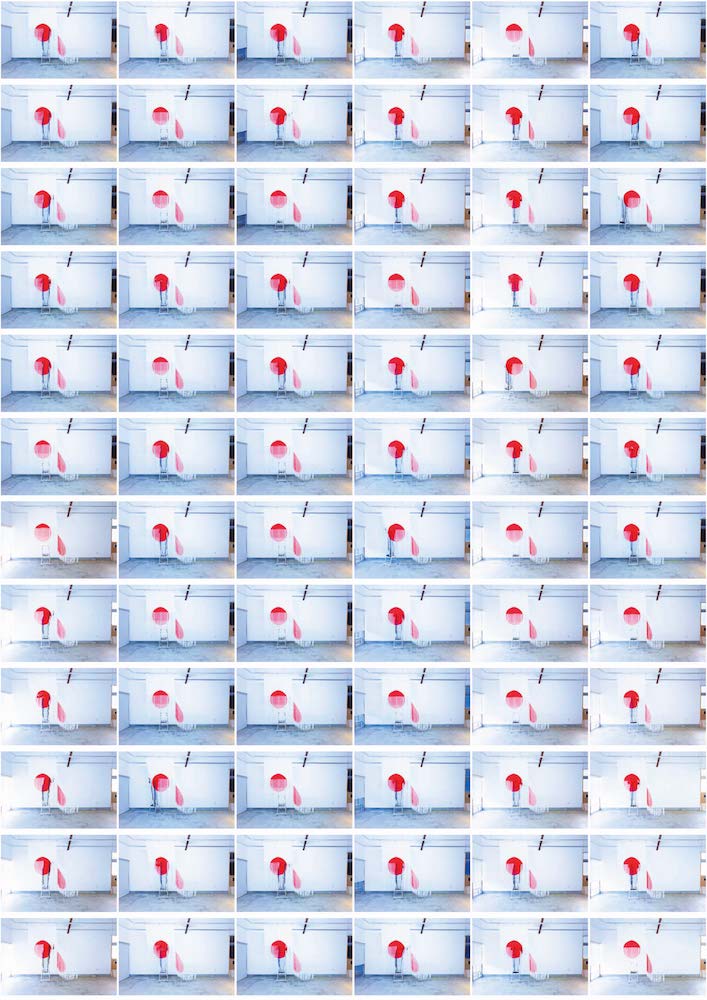 |
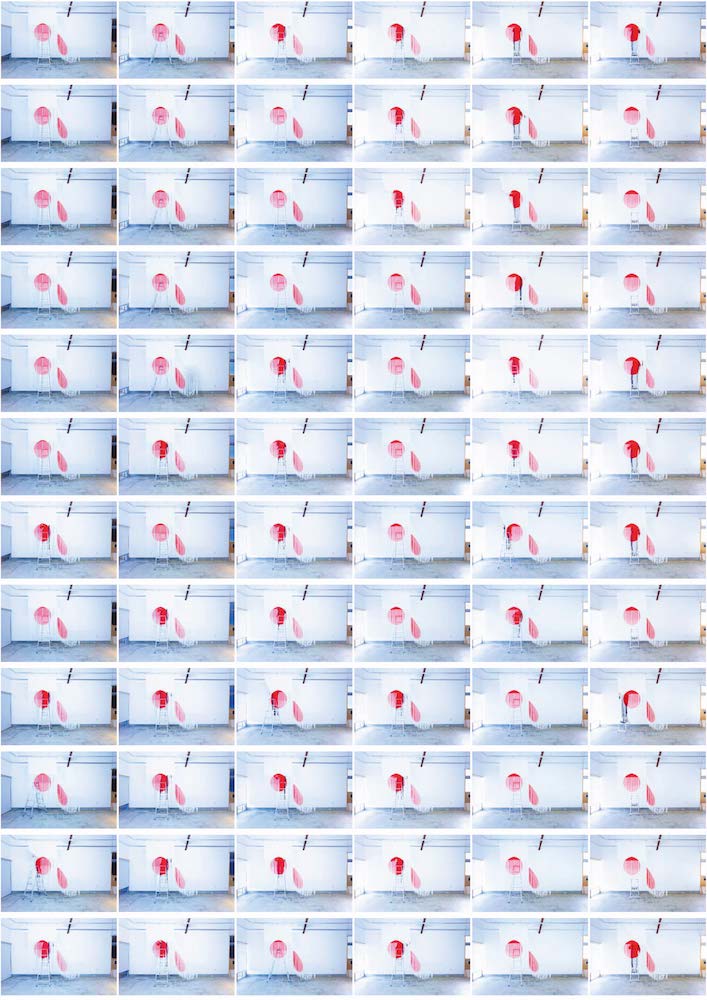 |
 |
 |
 |
 |
 |
|
104 untitled 2023 Material : used boxer shorts Dimension : 45×15×8cm (H×W×D) |
|
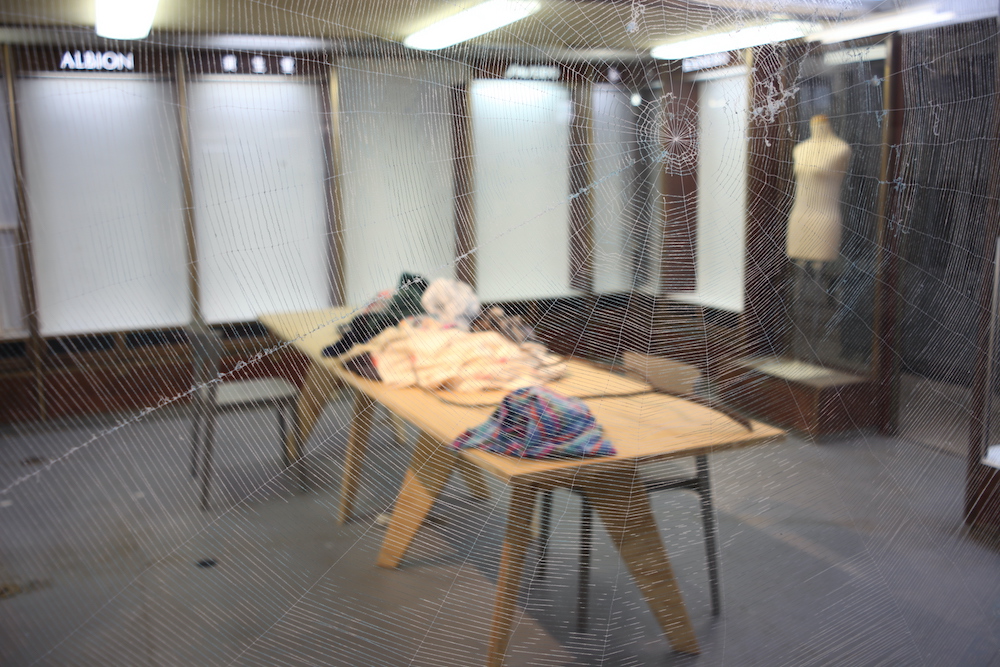
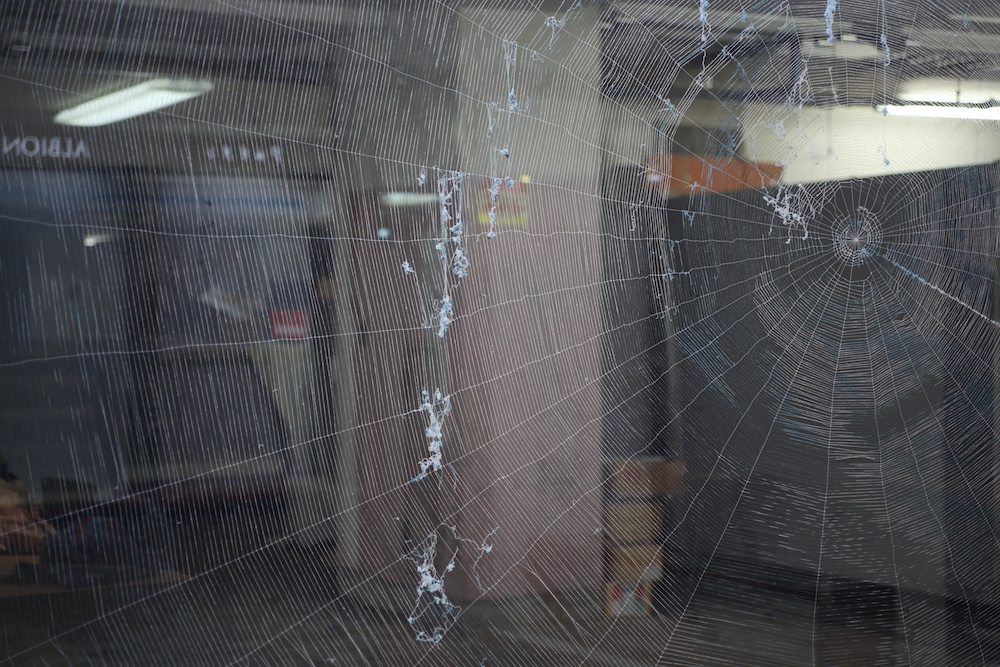
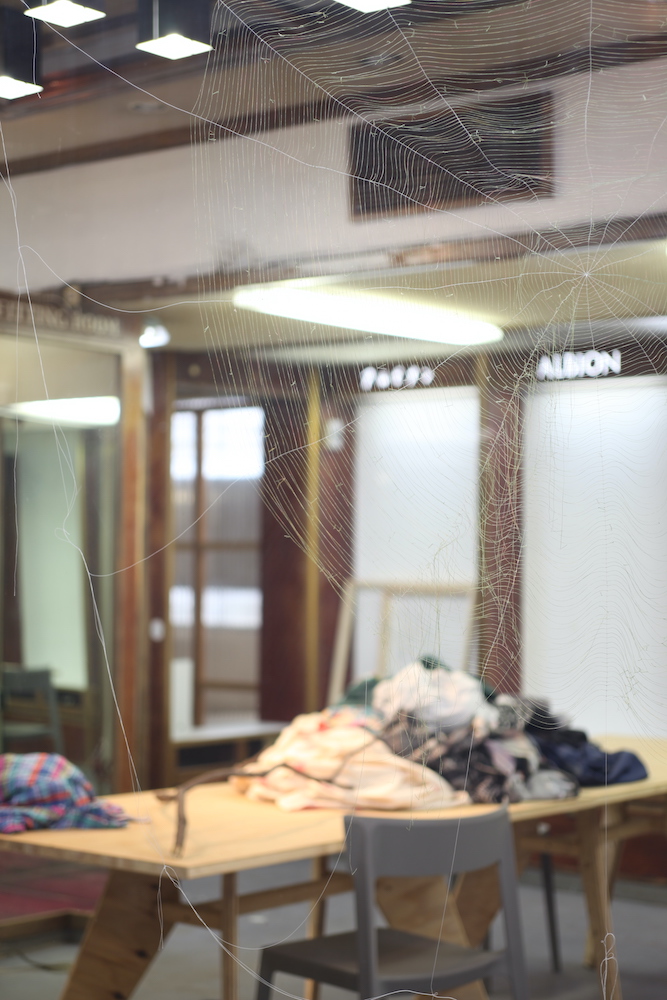
96_100 Motoi no Machi display, Motomachi web #10_#14 2022 Material : used clothes (Motomachi) dimensions variable | 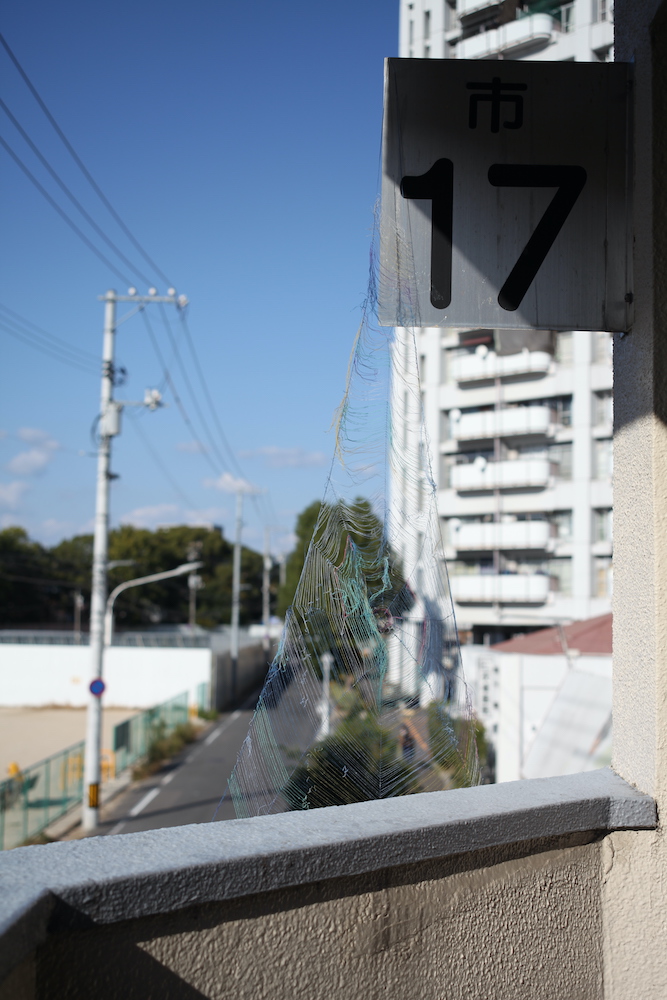 |
 |
|
|  |
 |
|
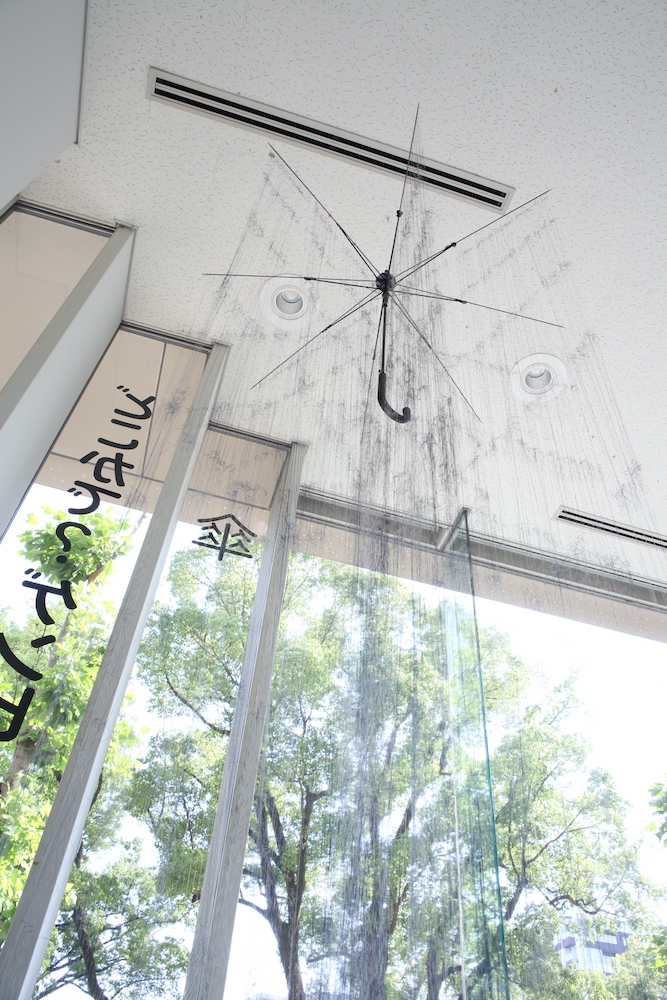
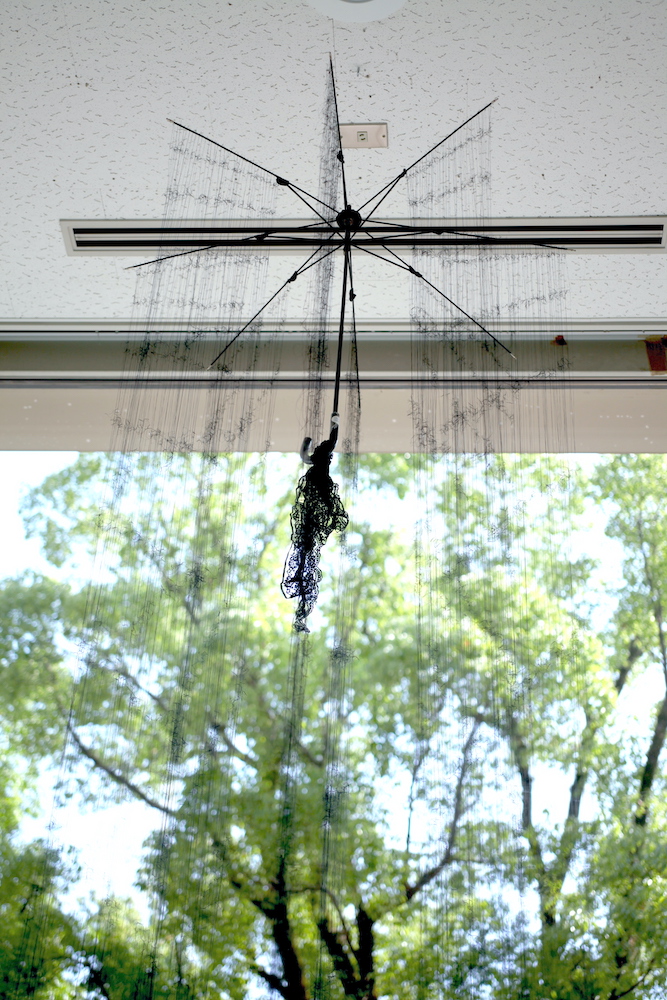
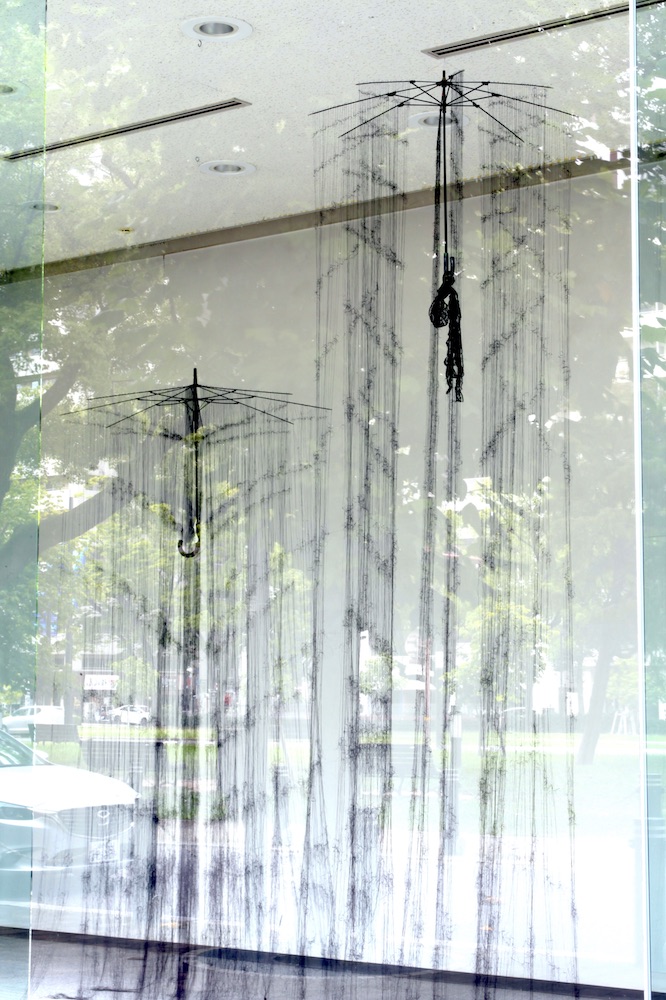
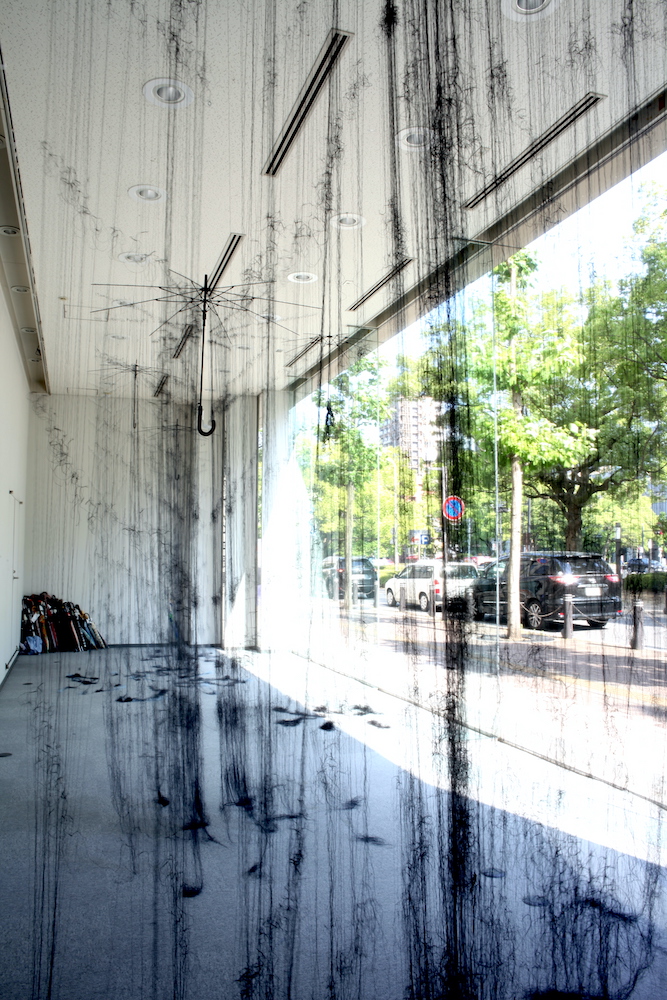
90_95 Dokokade?Genbi “Umbrella” Yebiden Gallery 29 April - 25 September 2022 untitled -rain Kake Hiroshima- untitled -rain Yoshiwa Hiroshima- untitled -rain Ishiuchikita Hiroshima- untitled -rain Ozukahigashi Hiroshima- untitled -rain Nishihakushima Hiroshima- untitled -rain Hijiyama Hiroshima- 2022 Material : forgotten umbrella dimensions variable | 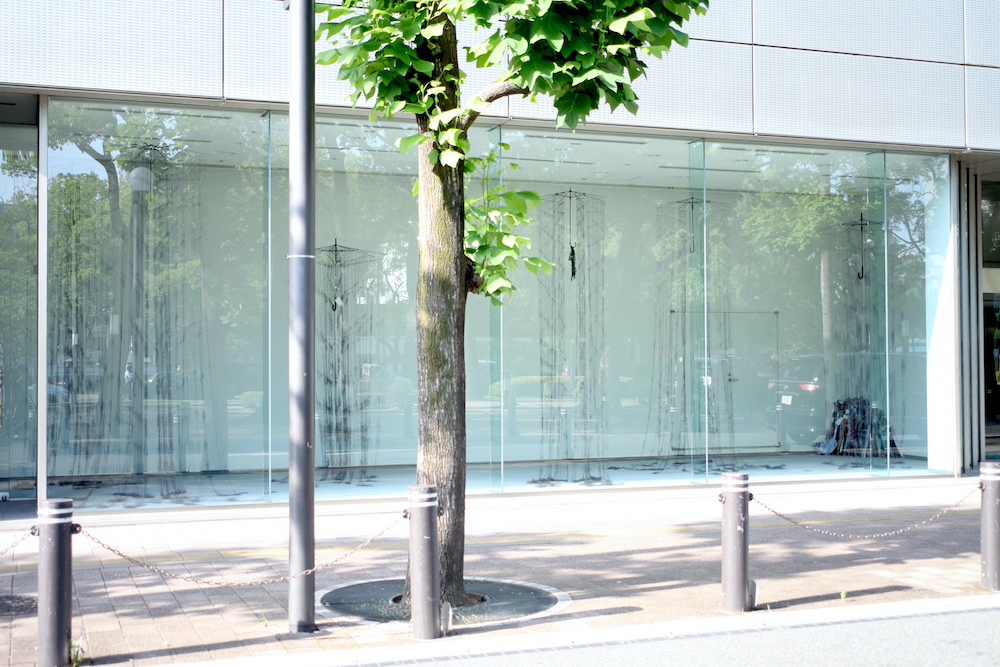 |
 |
 |
 |
 |
|
89 spectrum 2021 Material : VANS sneaker (red, orange, yellow, green, blue, violet) dimensions variable | 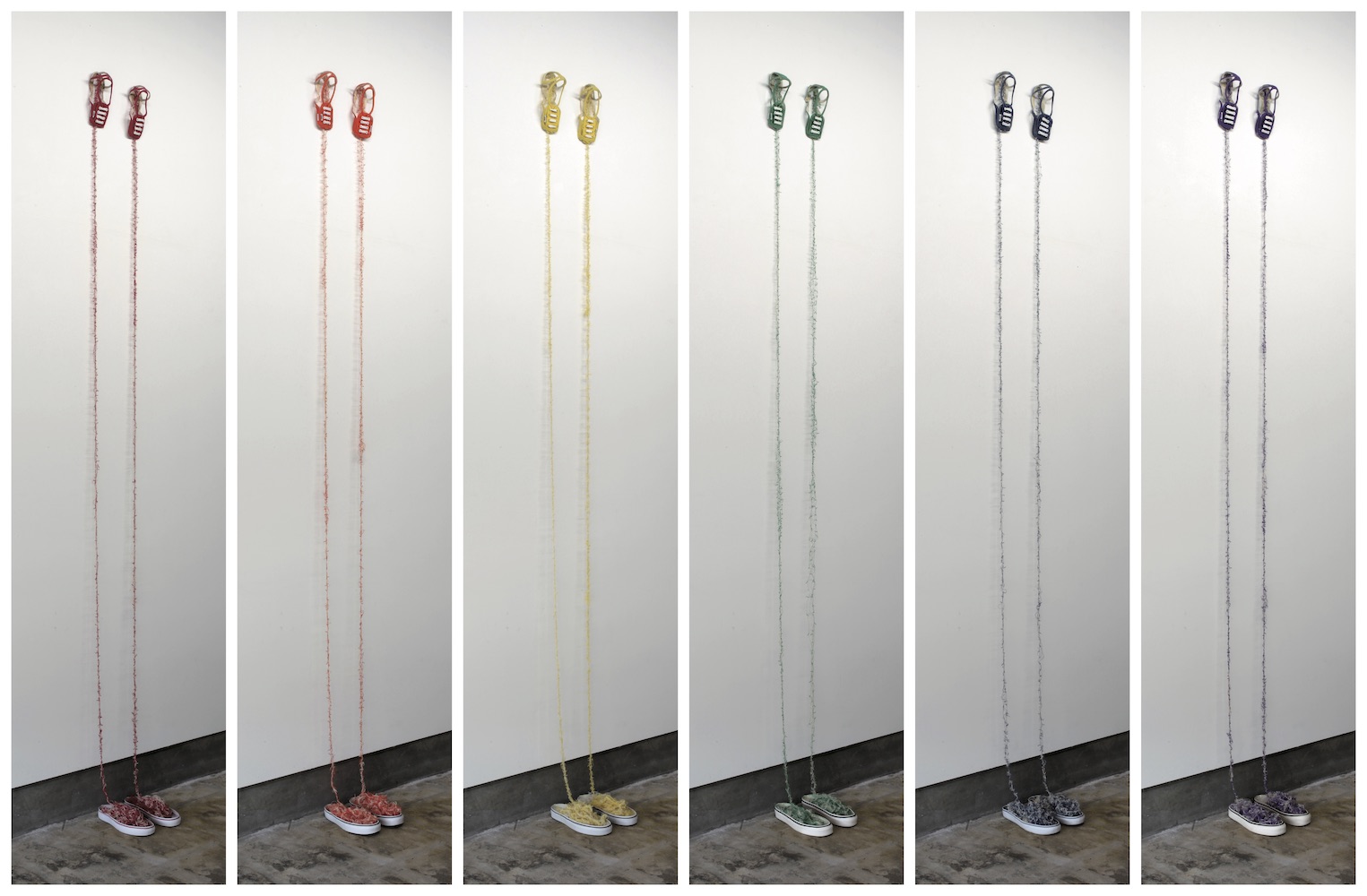 |
|
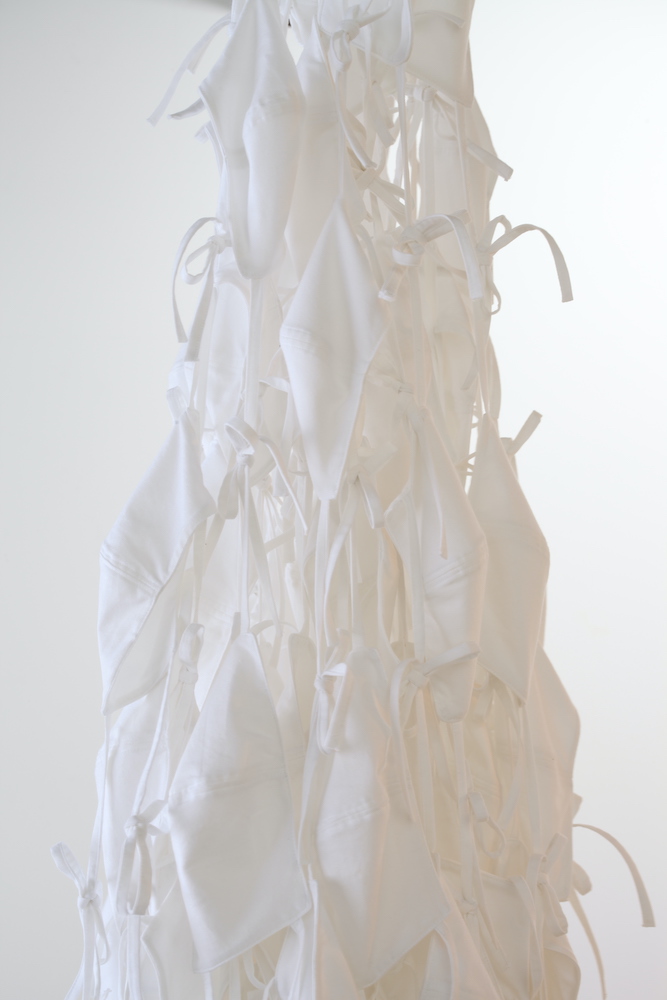
88 COVID-19 2020 Material : cotton, sewing thread Dimension : ca. h.300 × w.50 × d.50 cm | 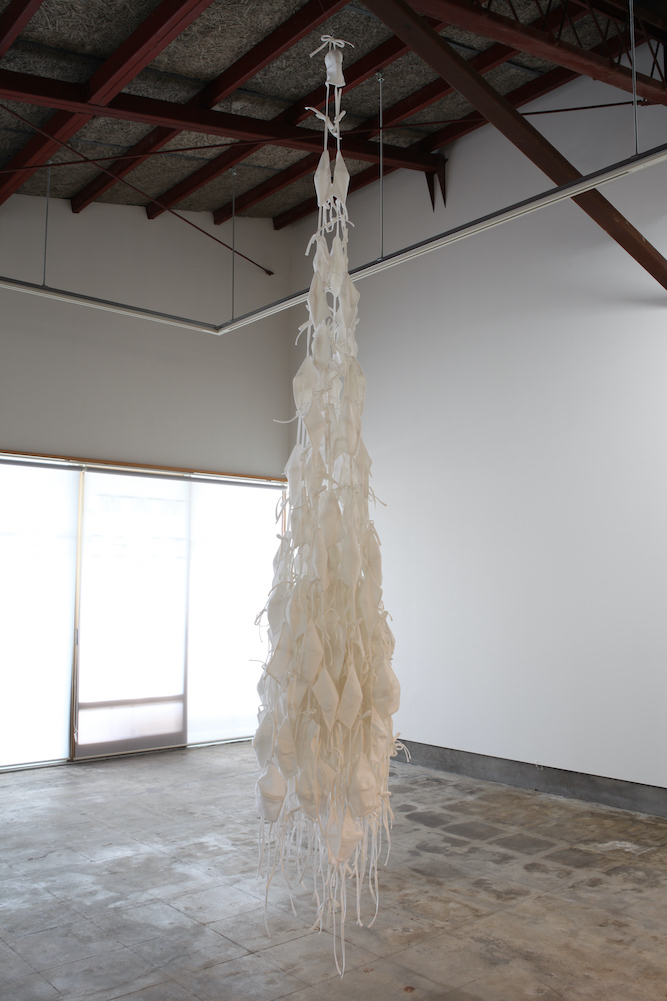 |
 |
|
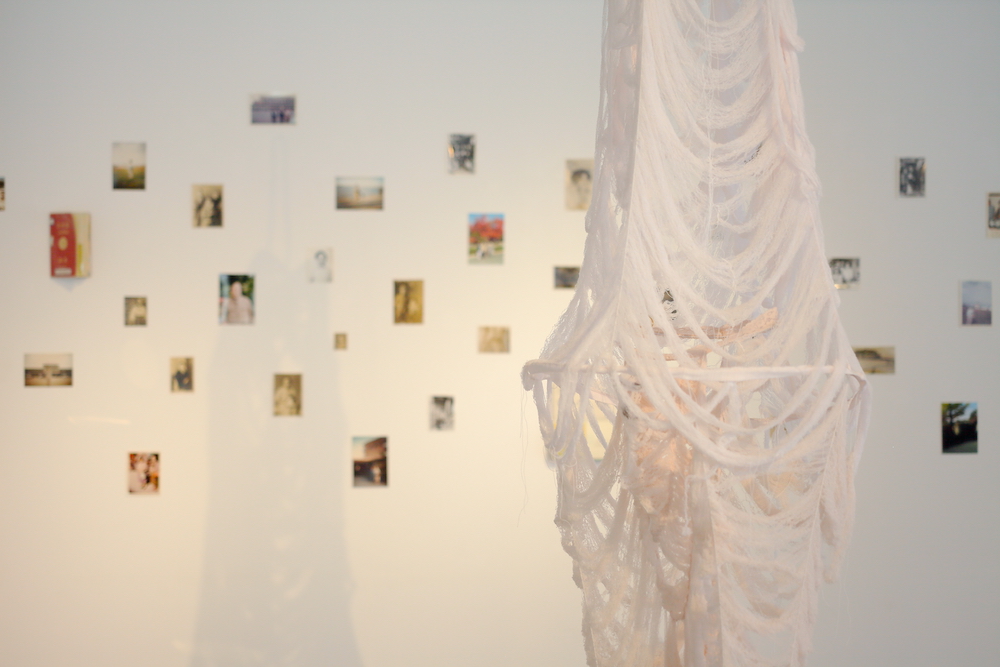
87 memento mori -grandmother- 2020 Material : underwear, accessories Dimension : ca. h.200 × w.35 × d.35 cm | 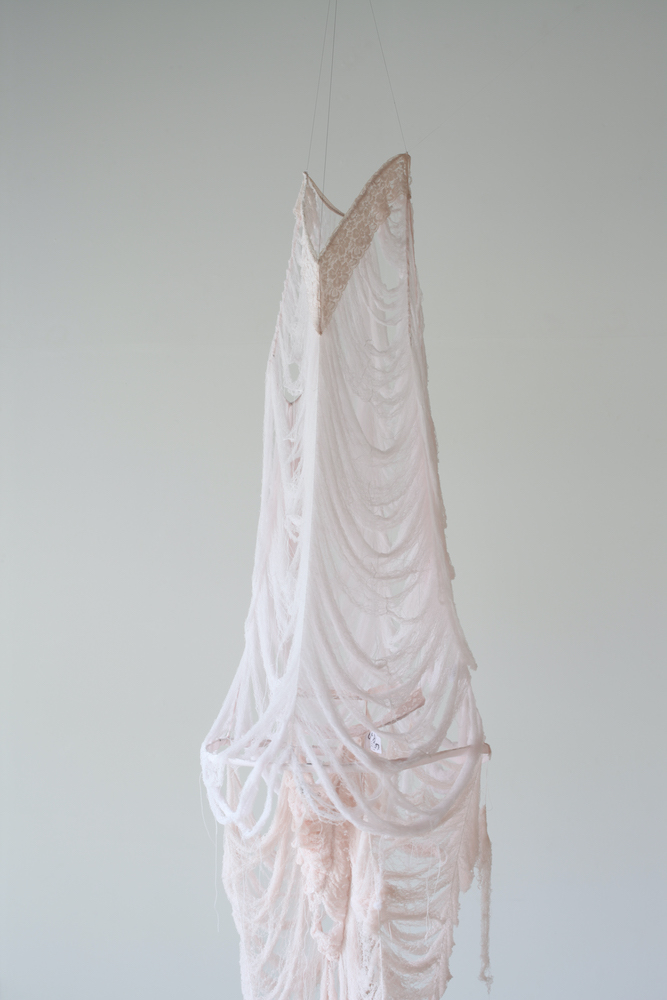 |
 |
|
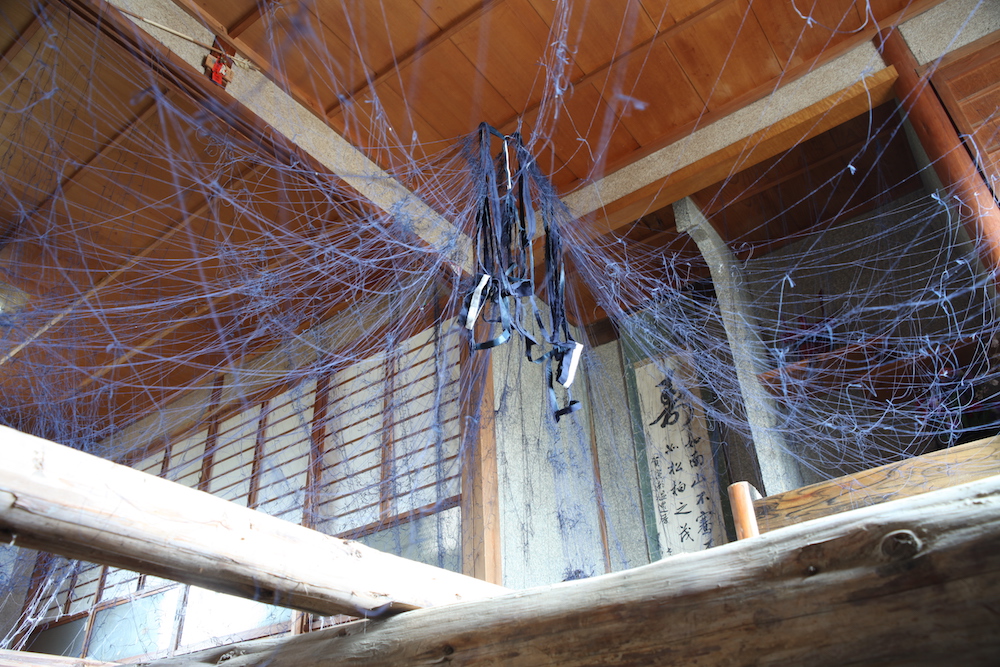
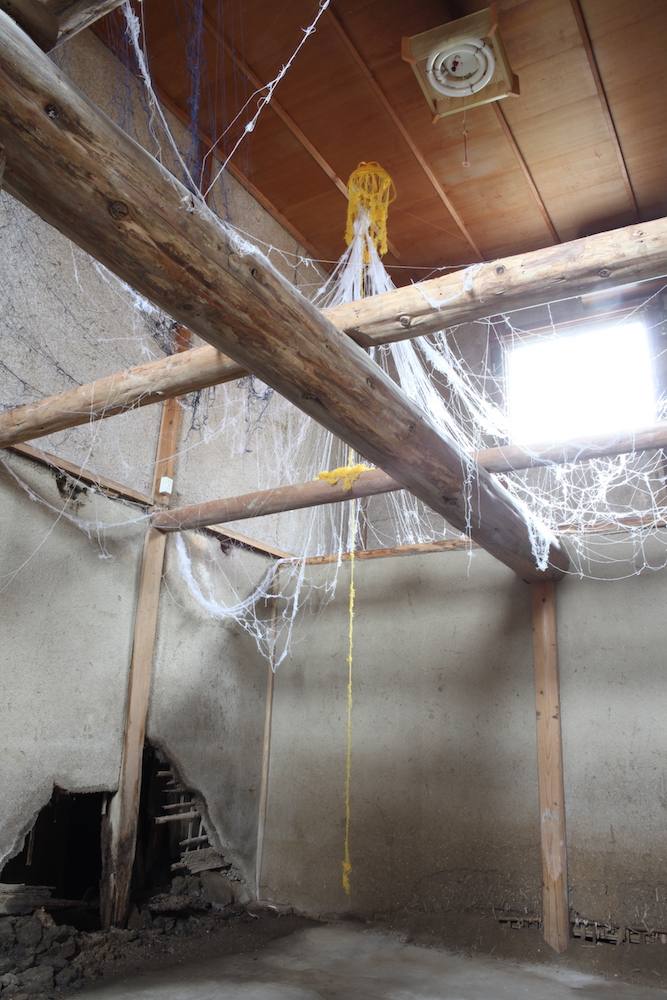
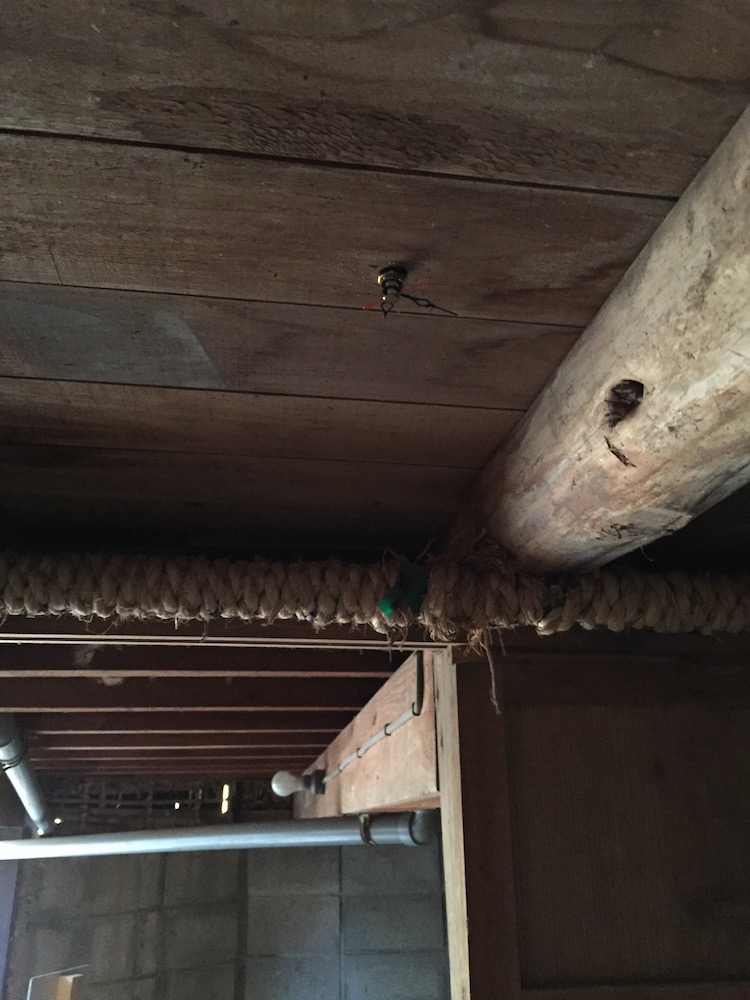
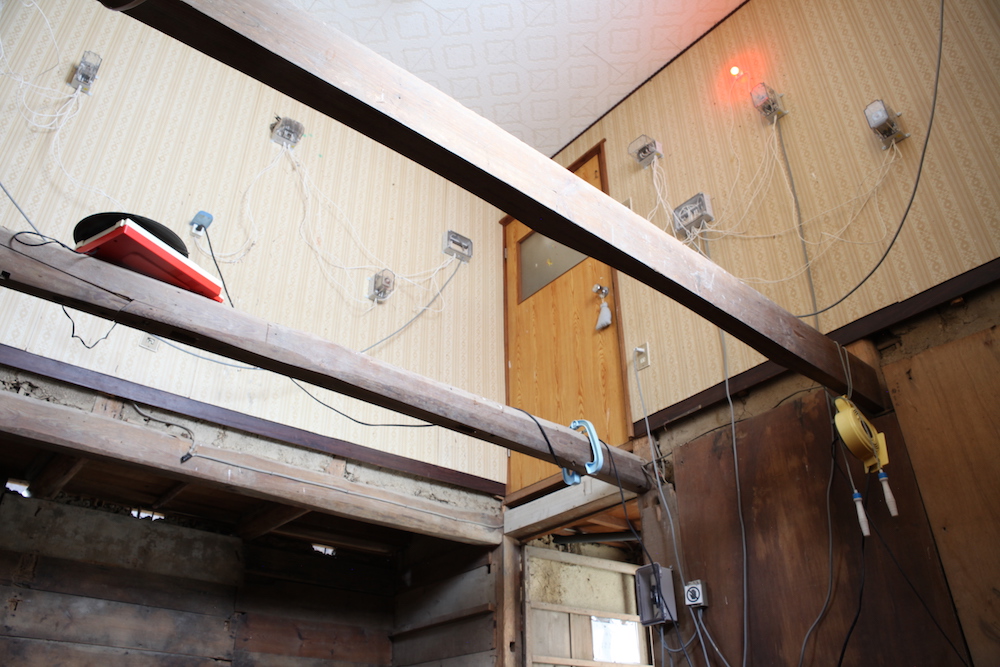
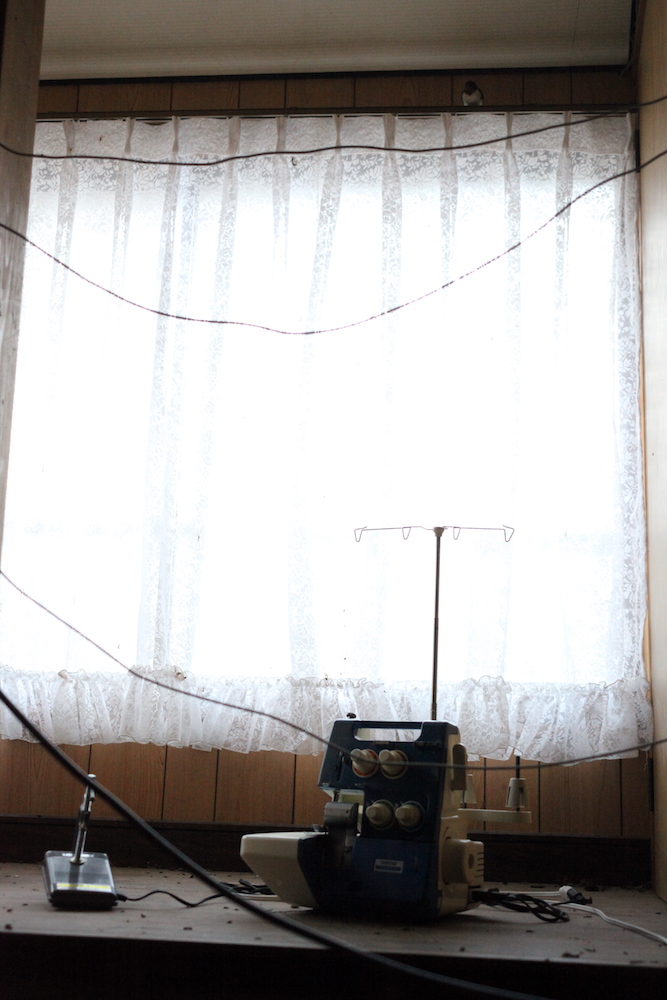
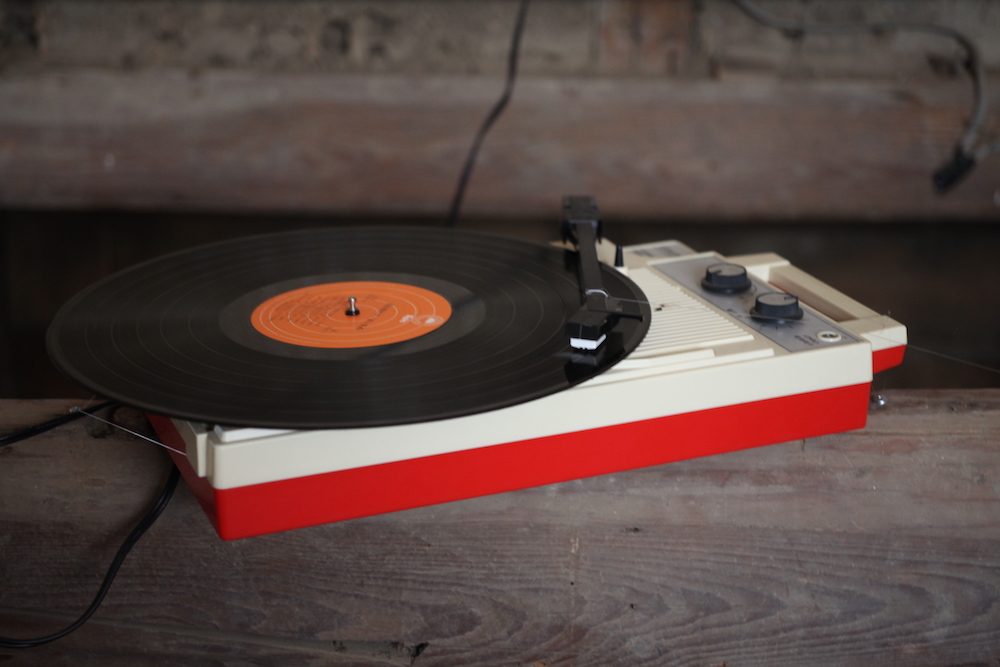
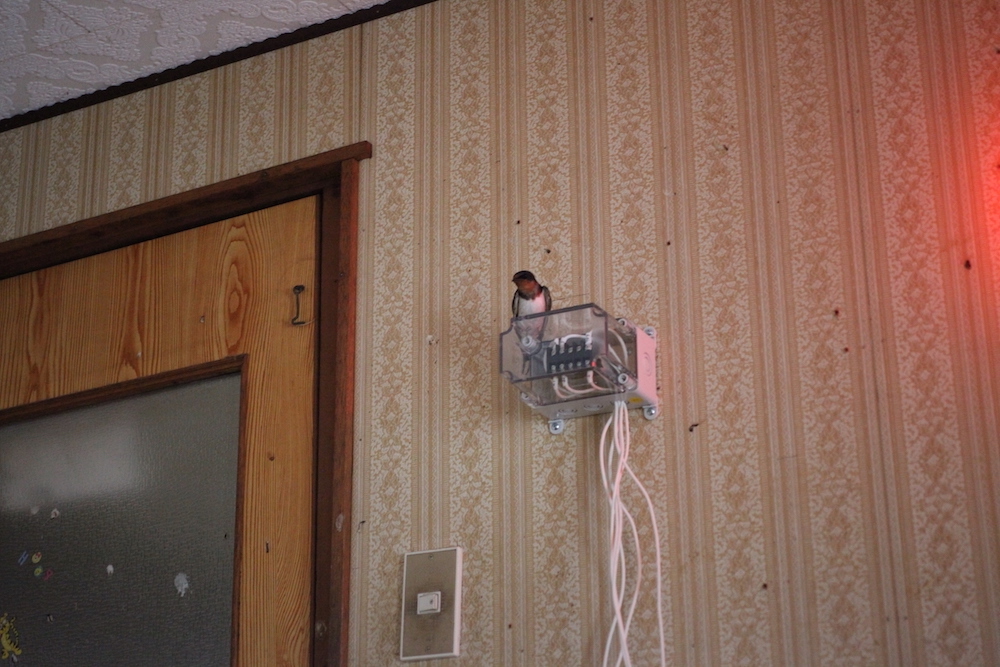
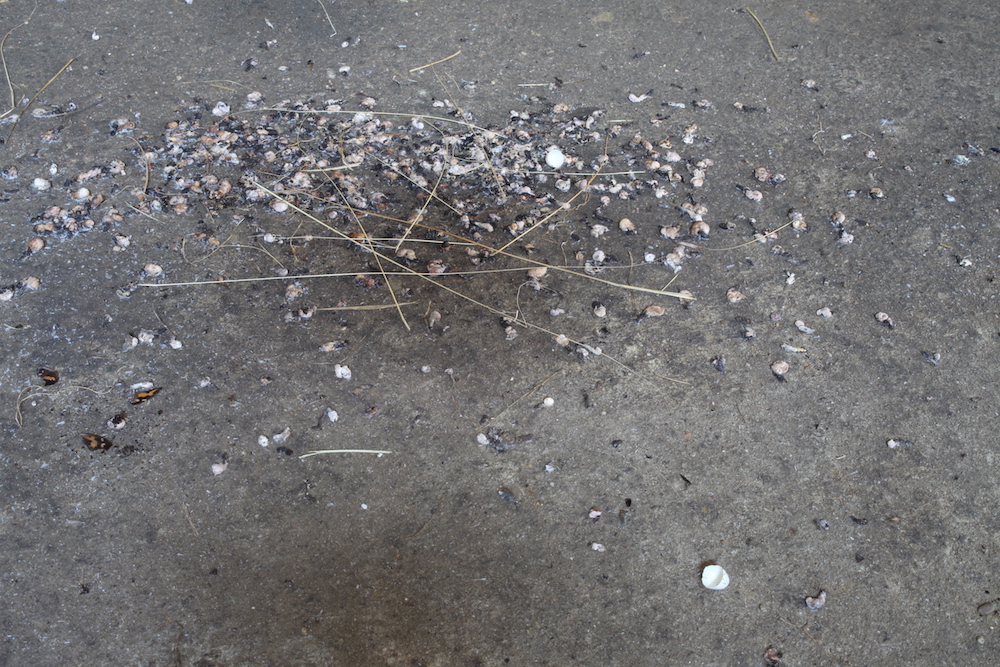
84 ART SETOUCHI, Shodoshima Quartz by the sea 2019 Material : unoccupied house, things left in the unoccupied house (Ikeda elementary school uniform, clock, sewing machine, futon dryer, record, etc.), record player, control panel, swallow Dimensions variable | 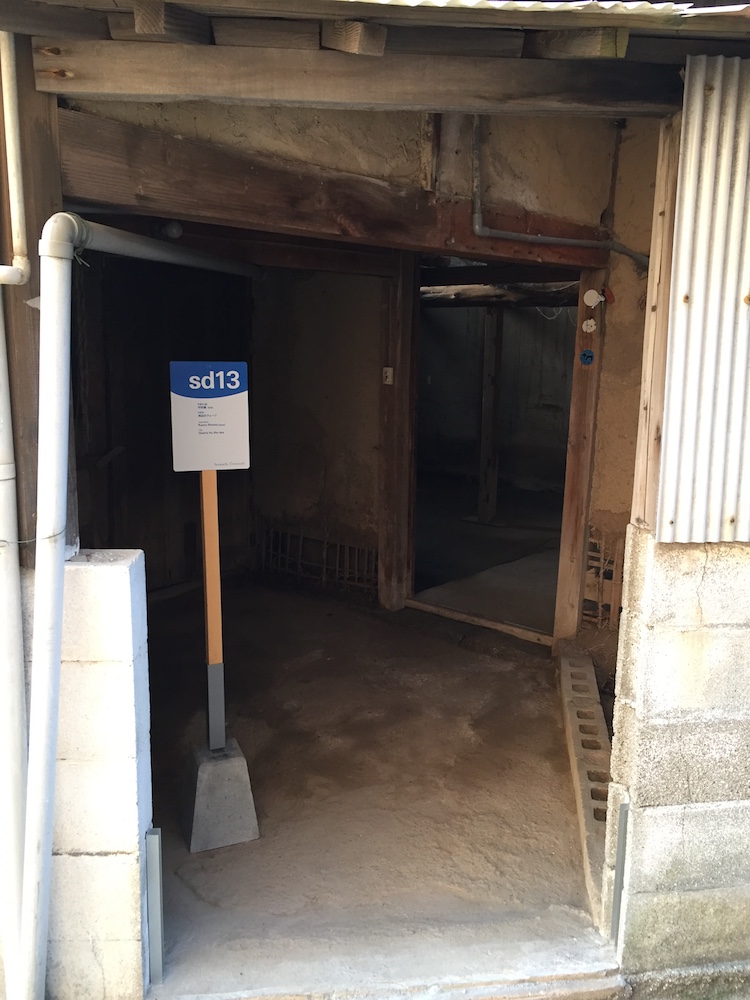 |
 |
 |
 |
 |
 |
 |
 |
 |
|
80_82 Exhibition : "Memory and History" POLA MUSEUM OF ART 22 July - 24 September 2018 Photo by Ken KATO | 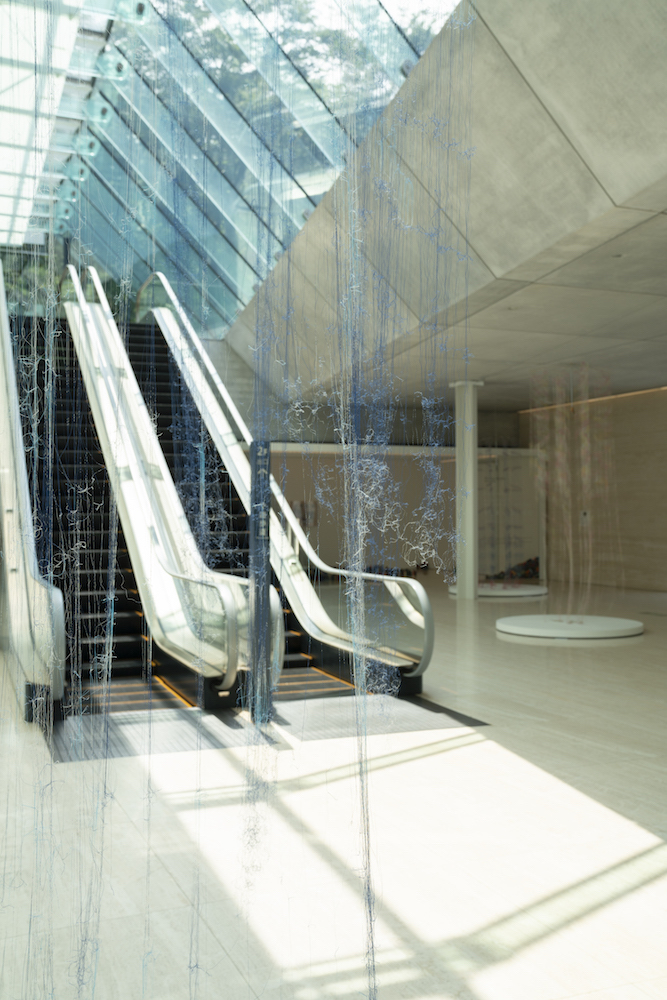 |
|
untitled -rain DDR- 2014 Material : umbrella Dimensions variable | 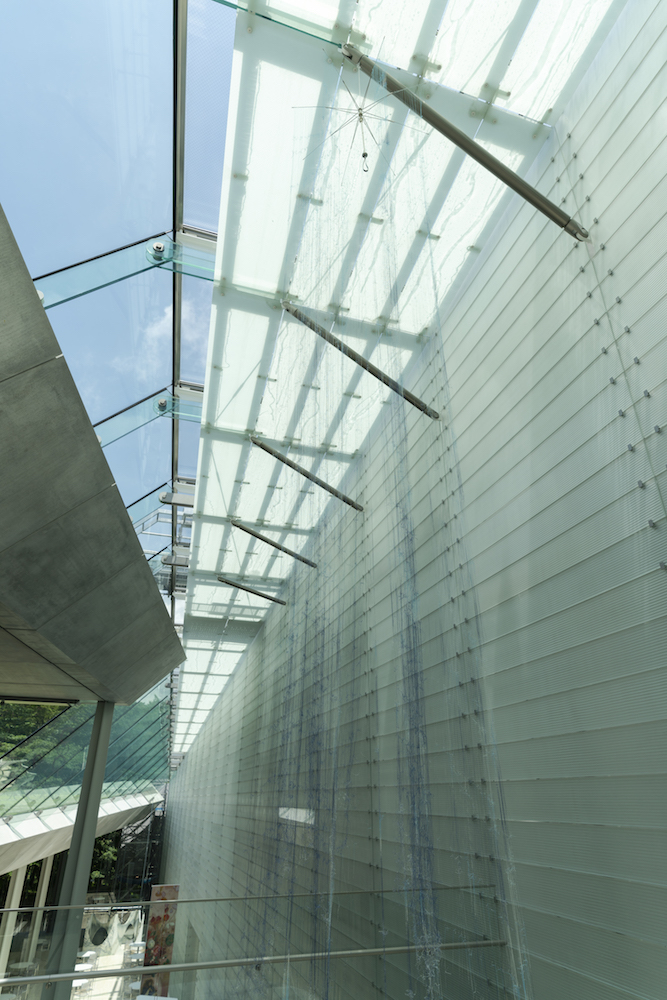 |
|
untitled -rain Nagasaki- 2018 Material : umbrella Dimensions variable | 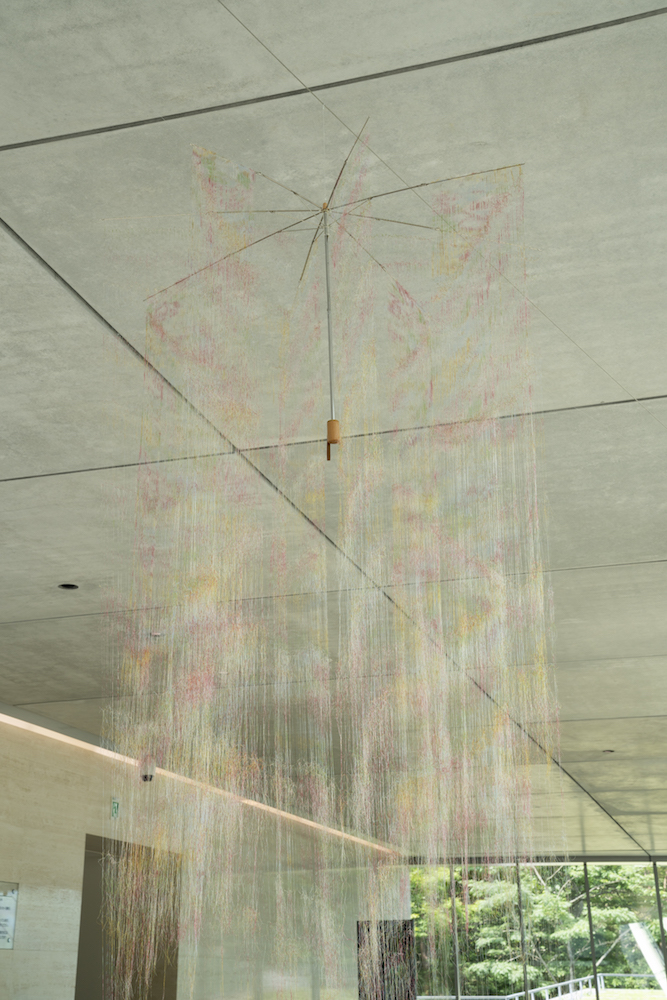 |
|
untitled -rain Hiroshima- 2018 Material : umbrella Dimensions variable | 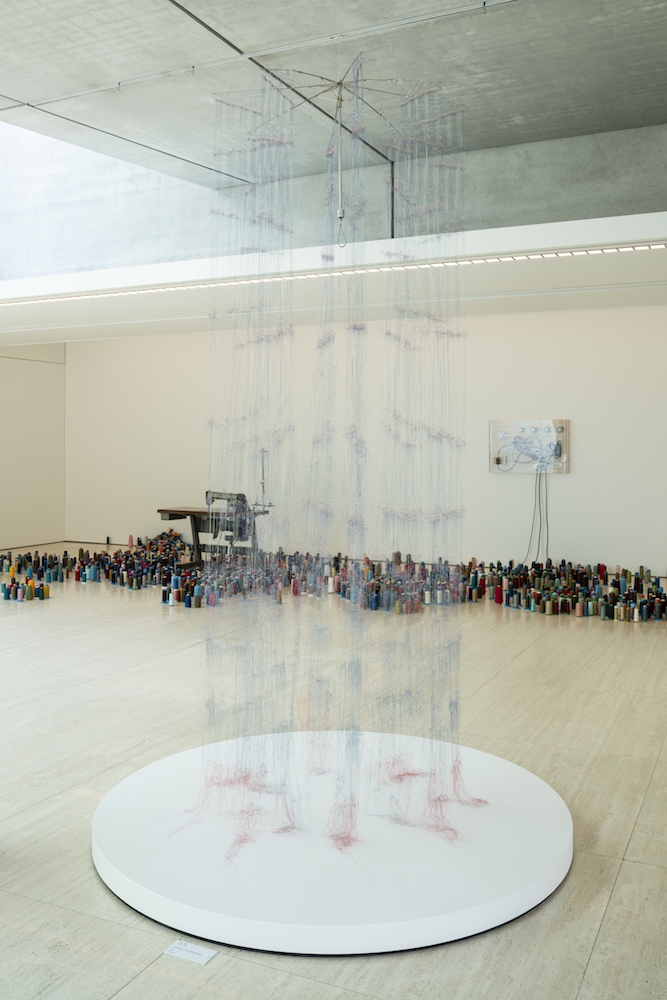 |
|
machine 2018 Material : industrial sewing machine, sewing thread spool, electric cylinder, control panel Dimensions variable | 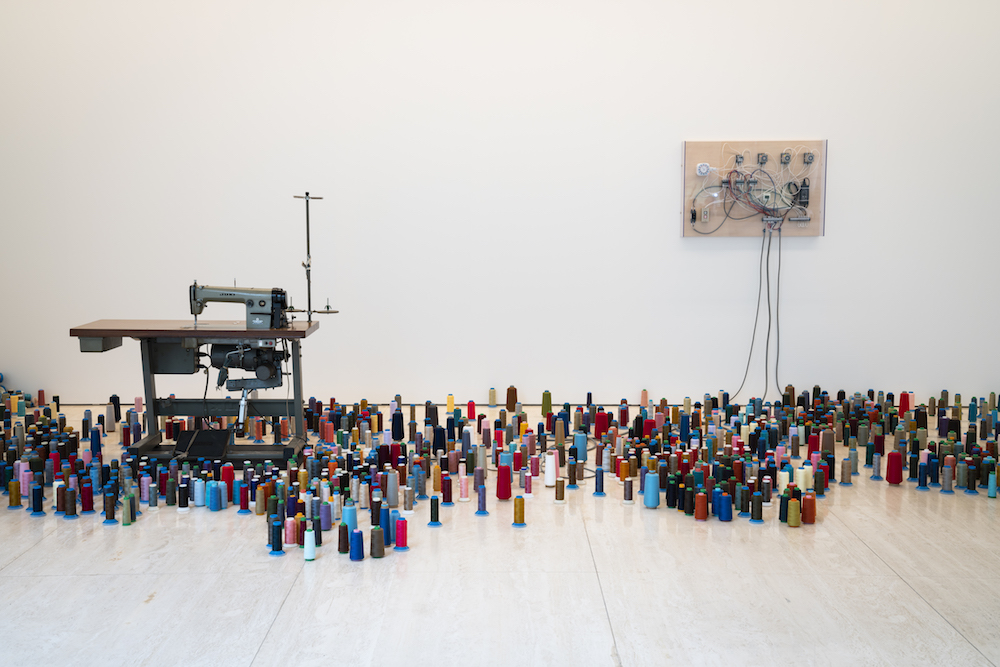 |
|
78 rope #2 2018 Material : koinobori Private collection | 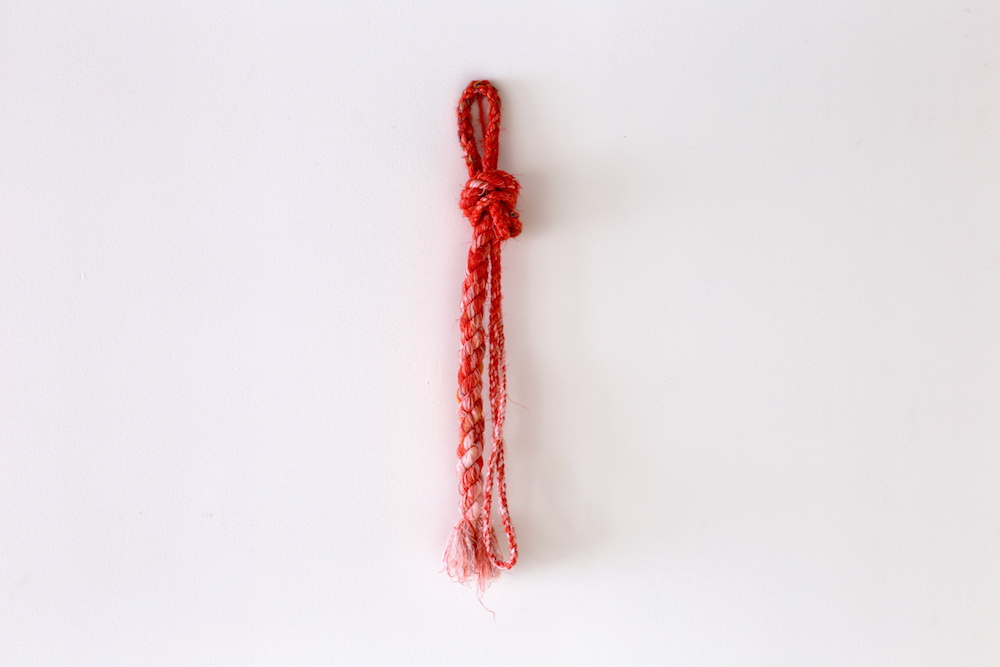 |
|
77 rope #1 2018 Material : koinobori Private collection | 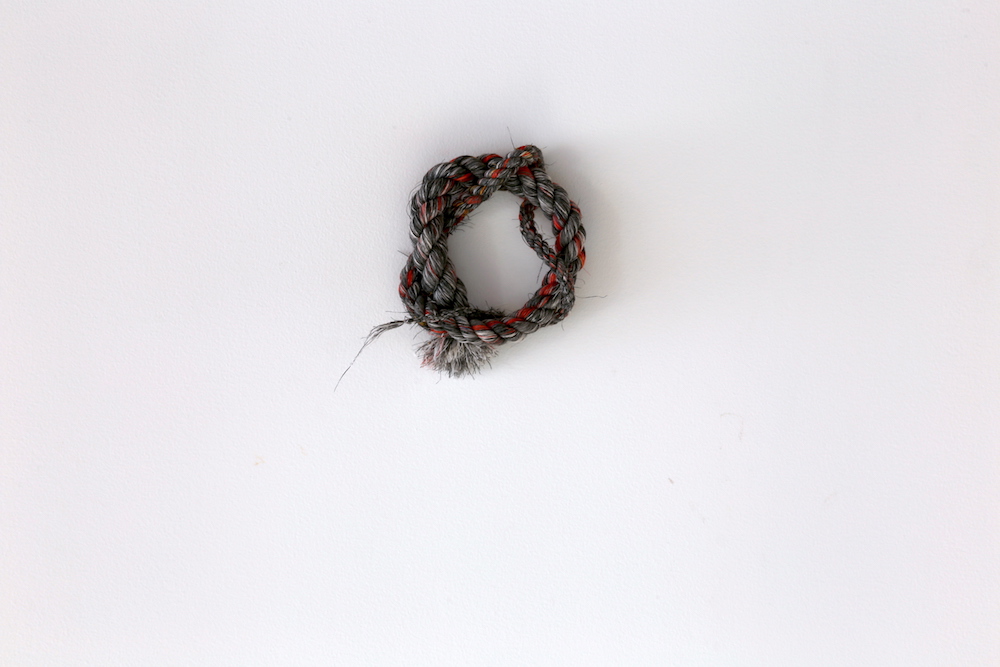 |
|
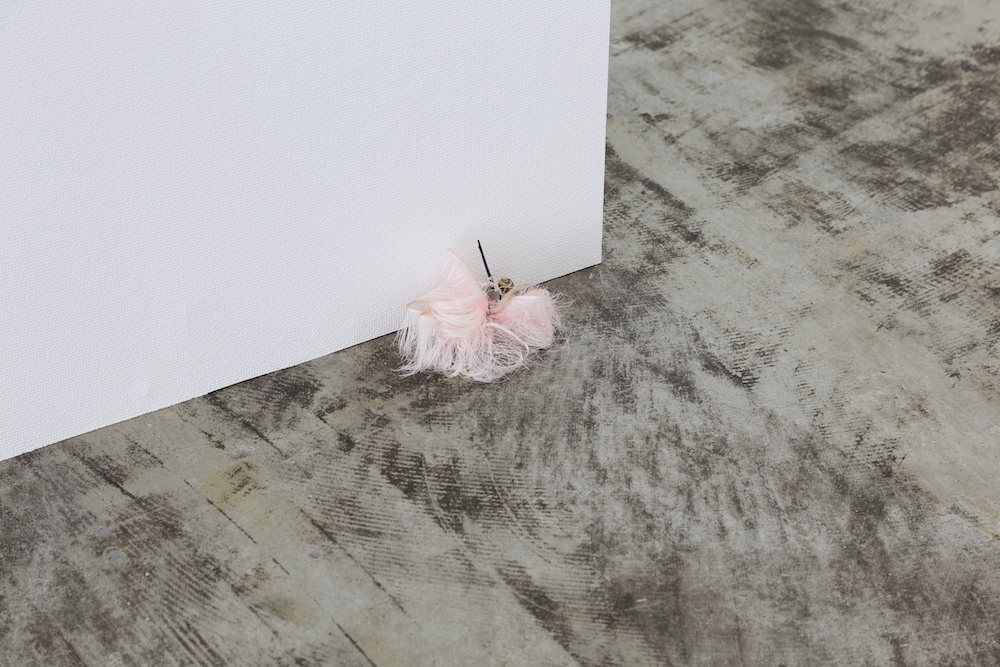
76 Group Exhibition : “BINDING THREADS / EXPANDING THREADS” Hiroshima City Museum of Contemporary Art | 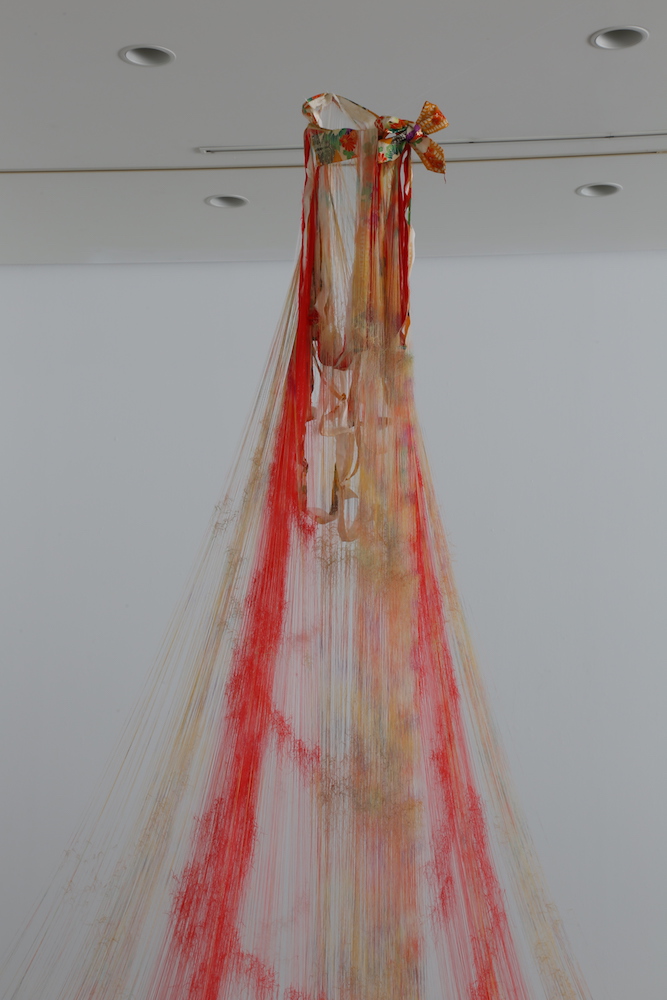 |
 |
|
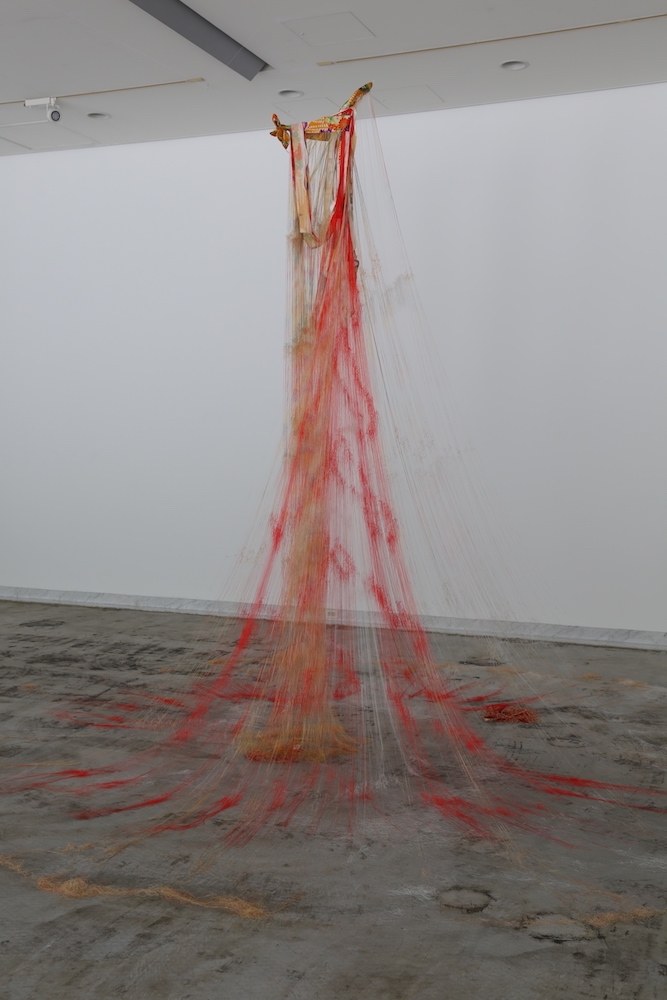
untitled -ubugi- 2017 Material : kimono Dimensions variable | 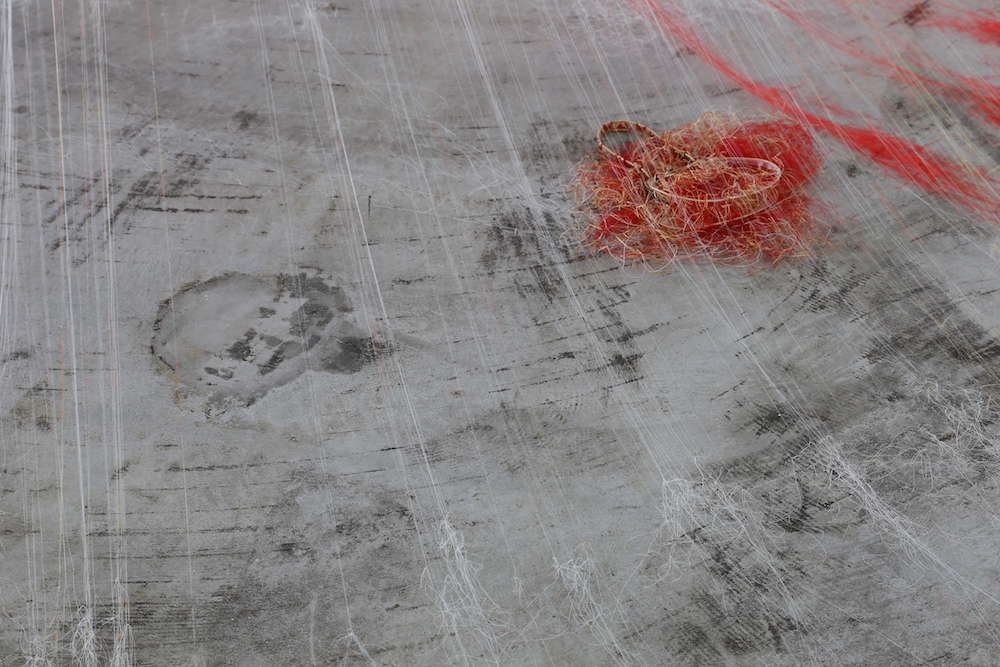 |
 |
|
69 untitled -koinobori red- 2017 Material : koinobori Dimension : ca. h.280 × w.360 × d.370 cm Installation view : mm project | 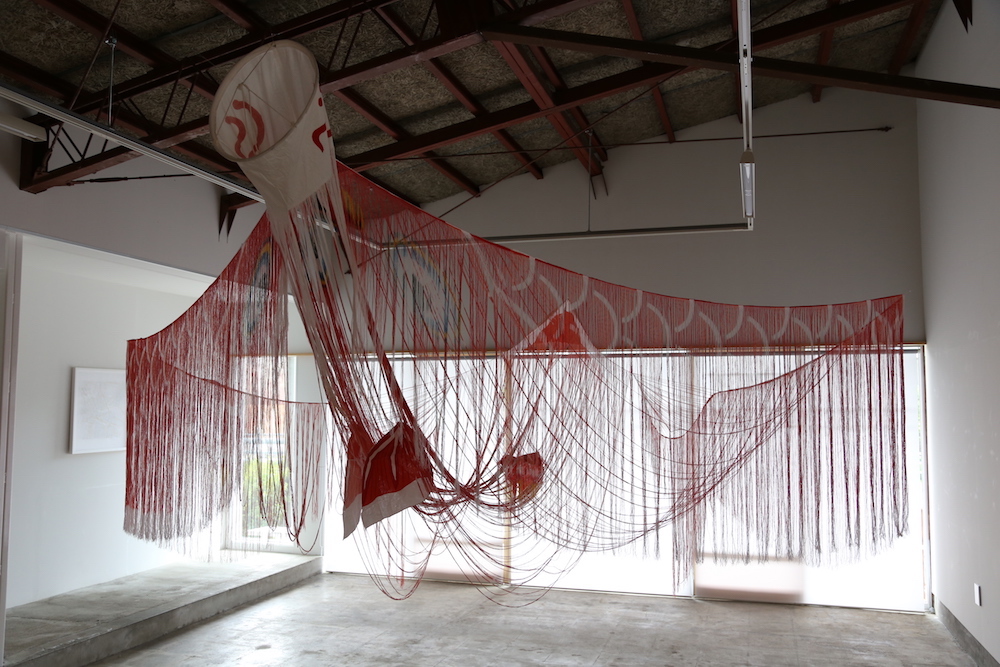 |
|
68 untitled -koinobori- 2017 Material : koinobori Dimension : ca. h.500 × w.300 × d.490 cm Installation view : mm project Collection : Hiroshima City Museum of Contemporary Art | 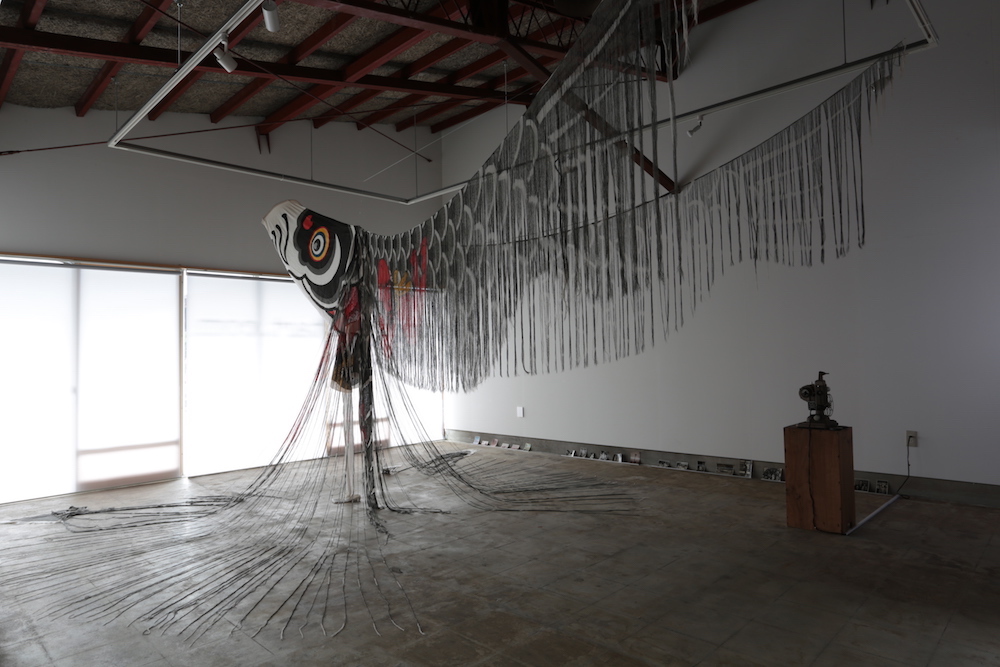 |
|
65 web #8 2016 Material : girdle | 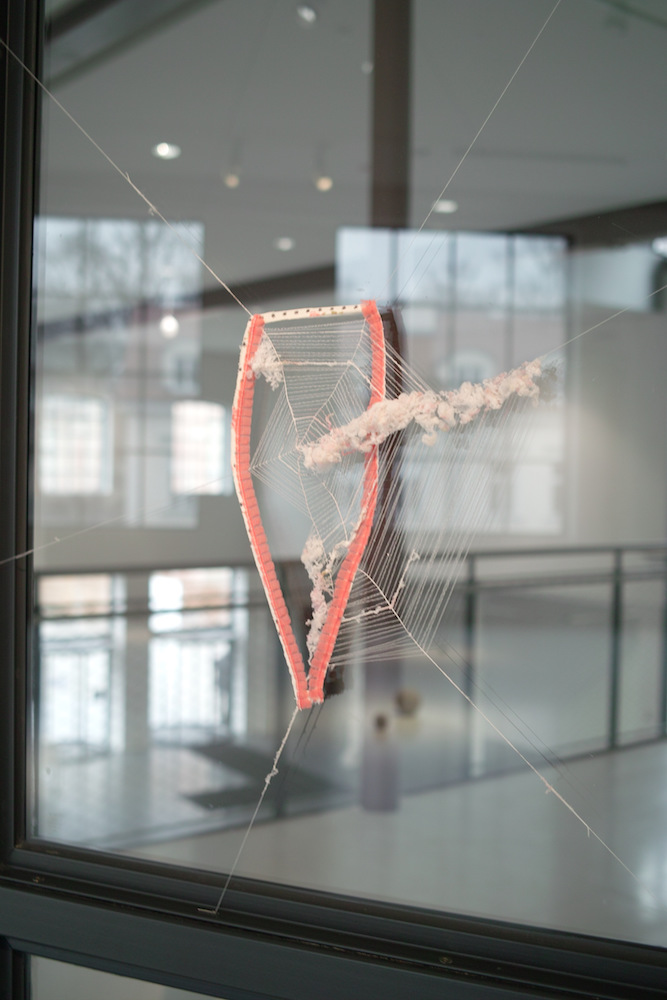 |
|
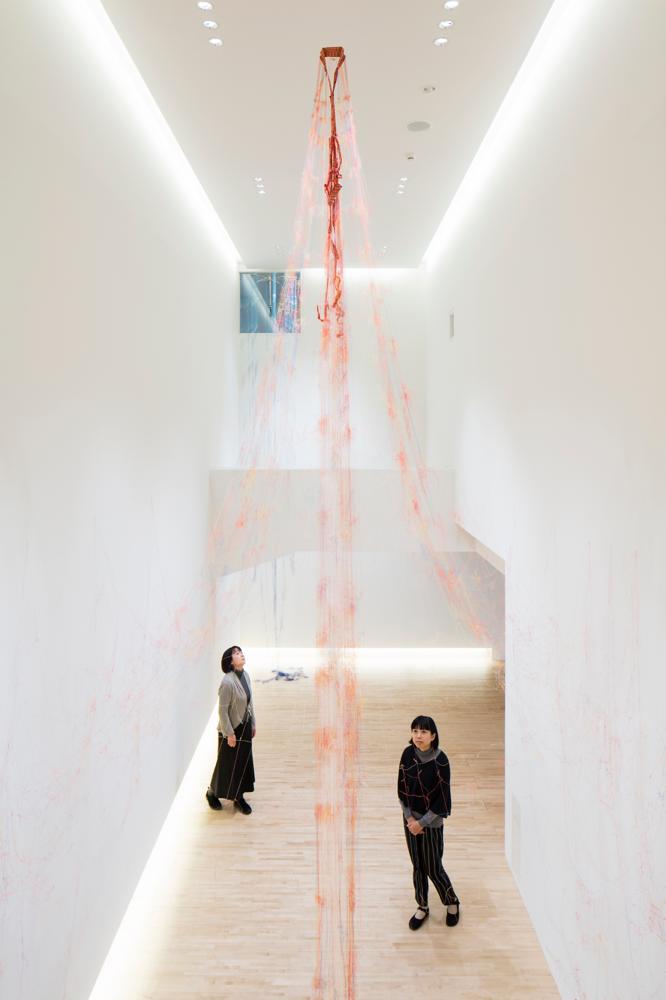
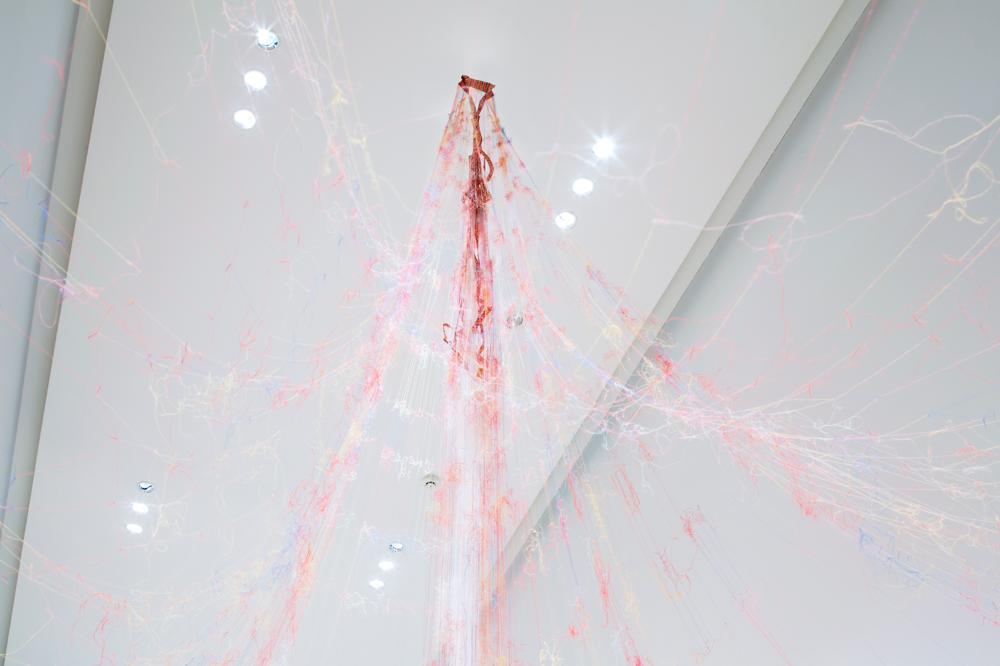
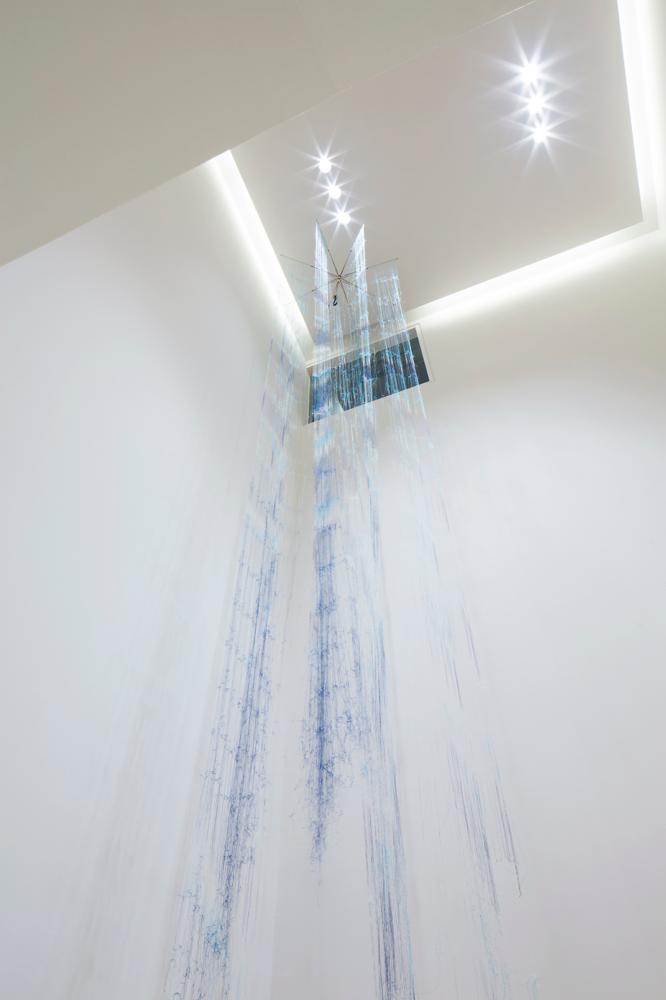
61_63 Group Exhibition : "Wardrobe Memories" Arts Maebashi, Gunma 10 October 2014 - 13 January 2015 Photo by Shinya KIGURE |
 |
|
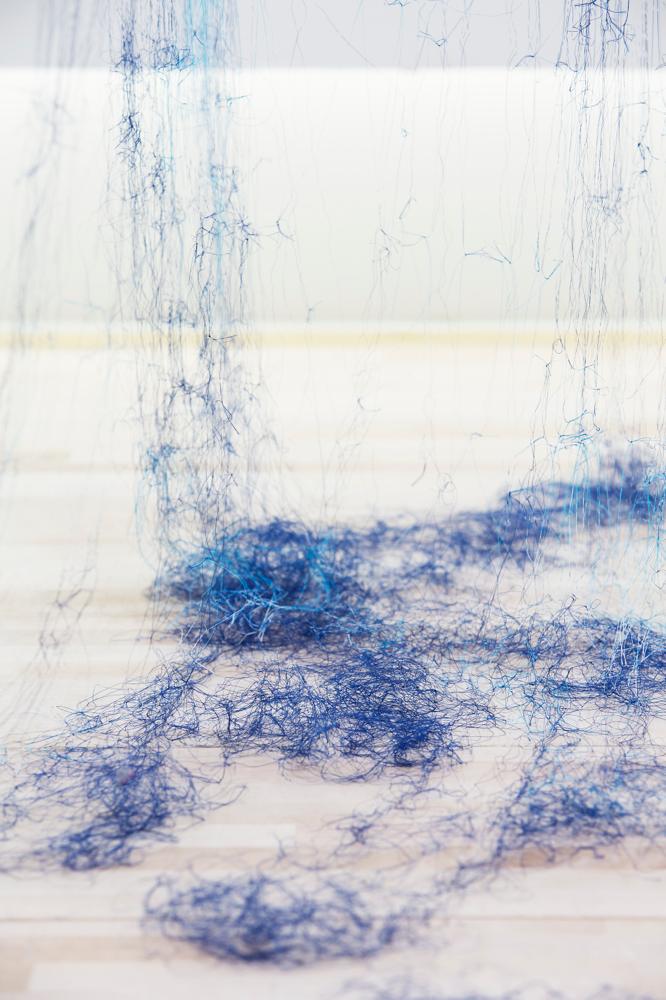
untitled -70's women- 2014 Material : dress Dimensions variable Photo by Shinya KIGURE |
 |
|
untitled -rain DDR- 2014 Material : umbrella Dimensions variable Photo by Shinya KIGURE |
 |
 |
|
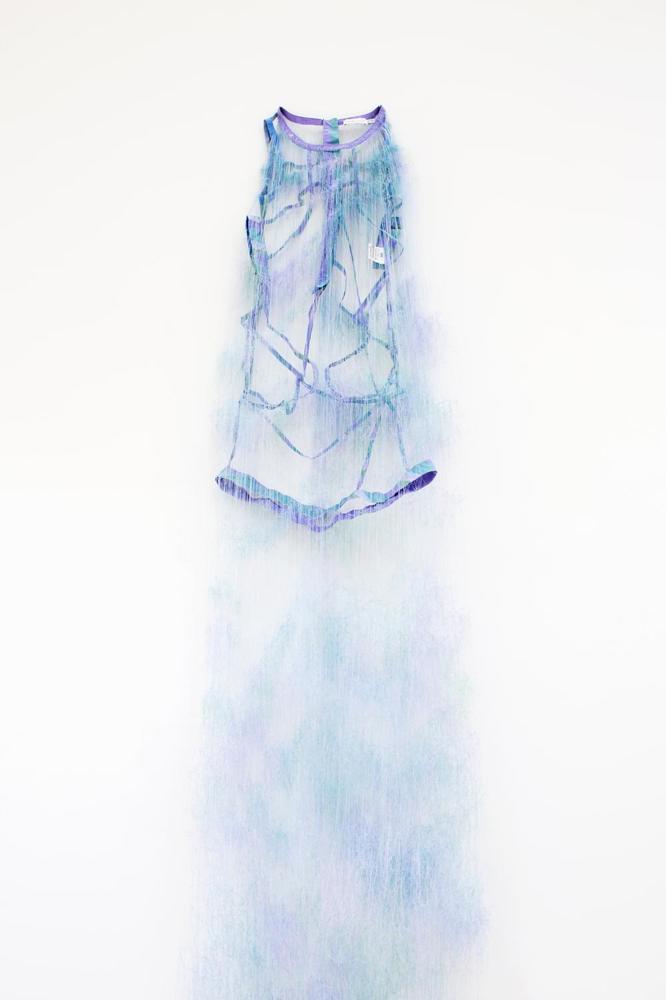
untitled -lady- 2014 Material : dress Dimensions variable Photo by Shinya KIGURE |
 |
|
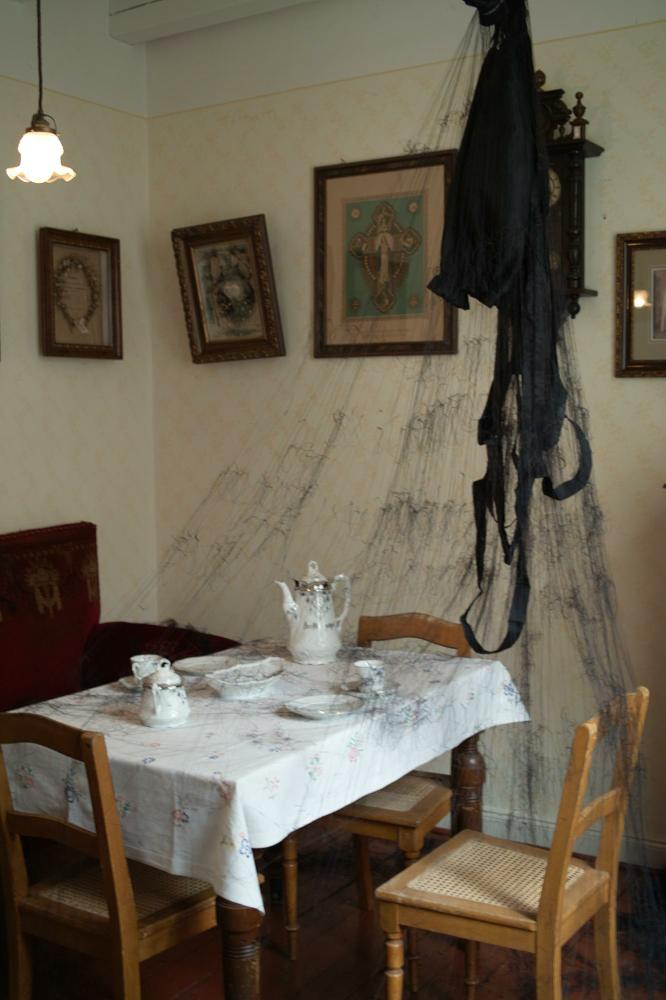
58 untitled -a woman in black- 2012 Material : dress Dimensions variable Installation view : Familienchroniken, TextilWerk Bocholt, 2014 |
 |
|
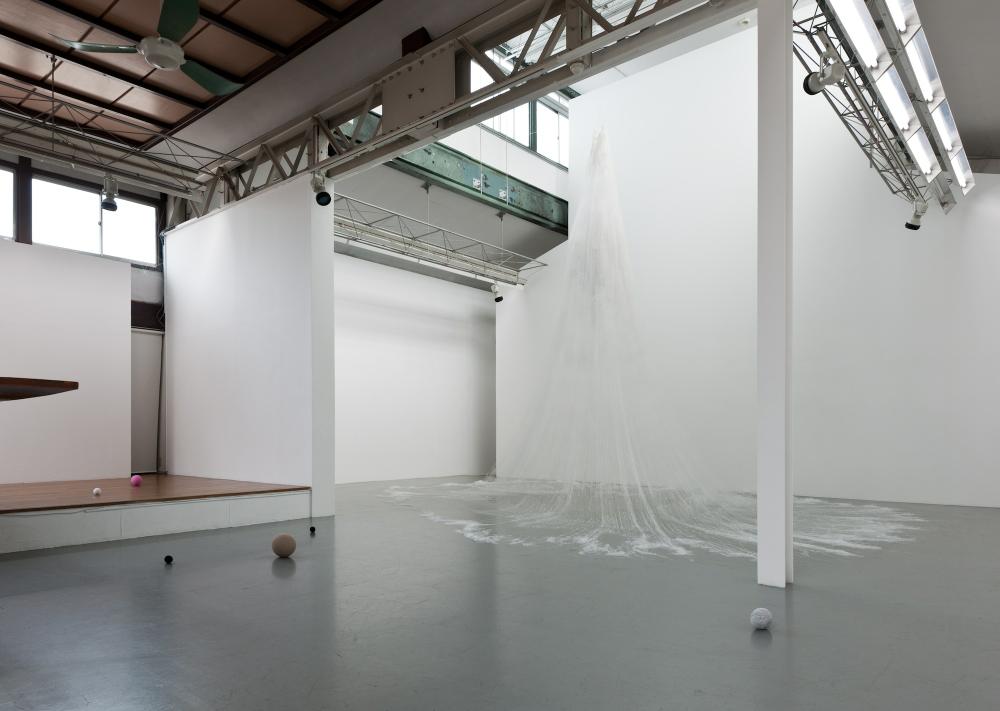
40_57 Exhibition : Kaoru Hirano "Re - Dress" SCAI THE BATHHOUSE, Tokyo 29 June - 28 July, 2012 Photo by Nobutada OMOTE(SANDWICH GRAPHIC) |
 |
|
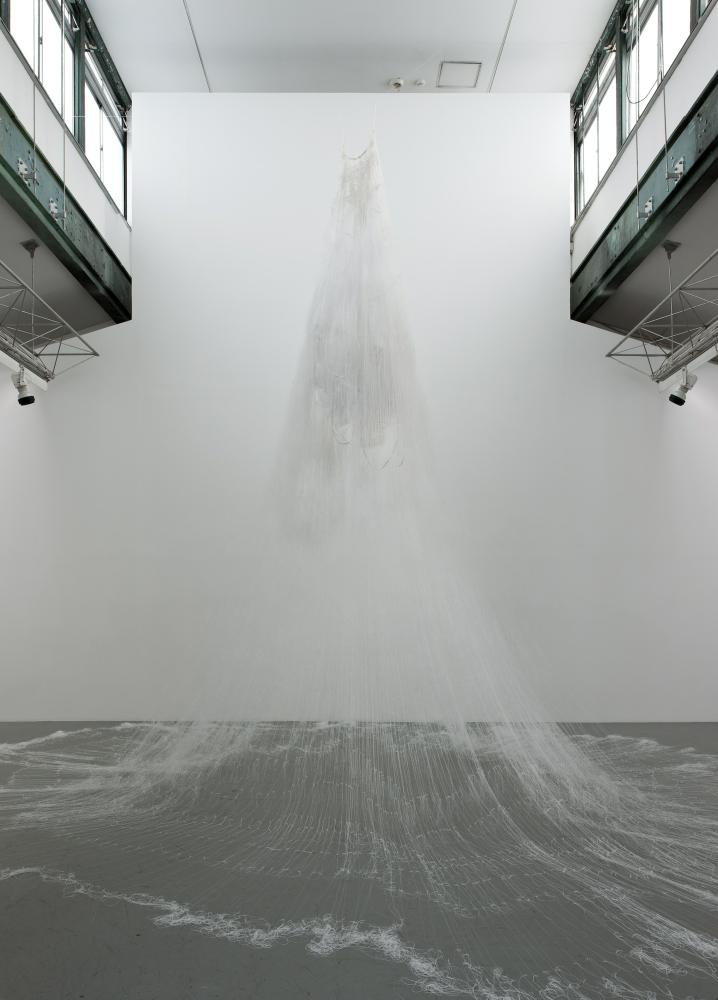
untitled -brides- 2012 Material : wedding dress Dimensions variable Photo by Nobutada OMOTE(SANDWICH GRAPHIC) Collection : Takahashi collection |
 |
|
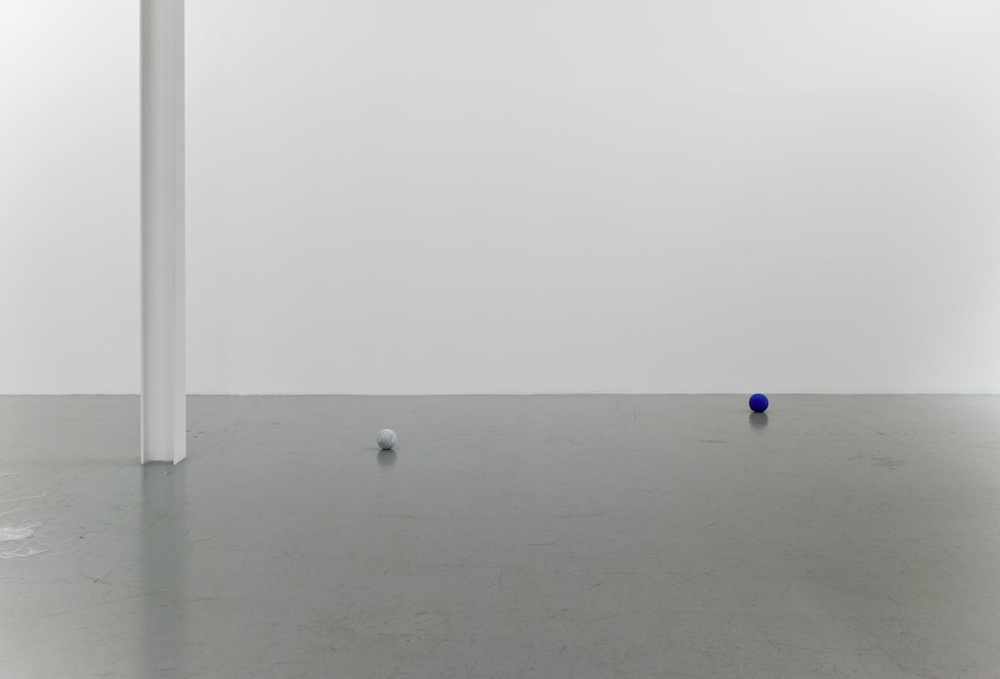
sphere #1, #2 2012 Material : boxer shorts, T-shirt Diameter : 9cm, 10cm Photo by Nobutada OMOTE(SANDWICH GRAPHIC) |
 |
|
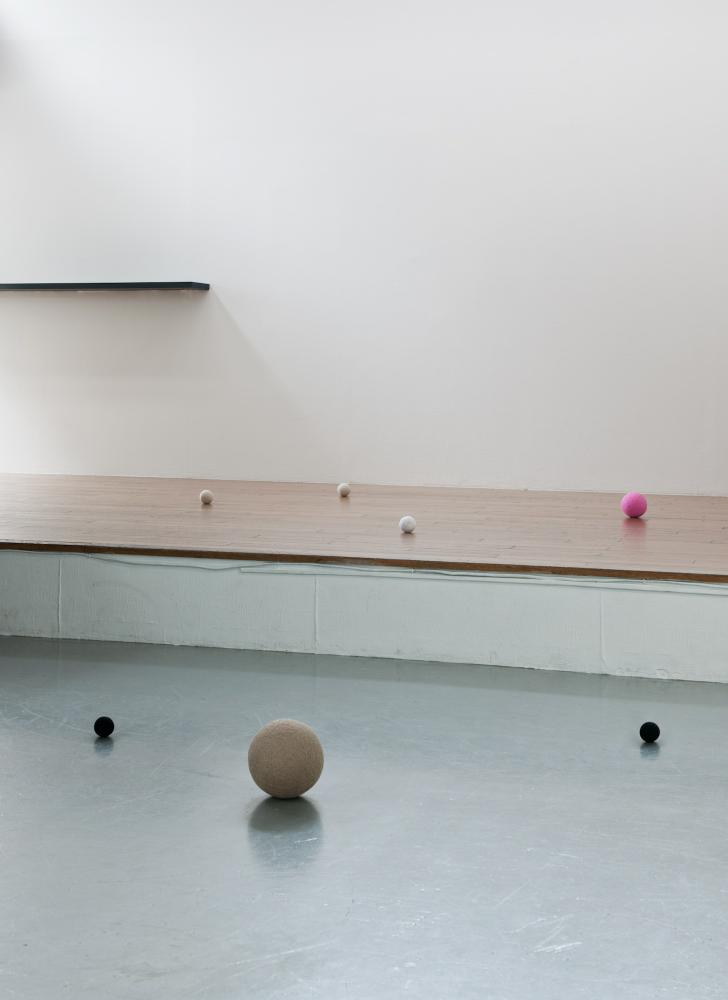
sphere #3, #4, #5, #6, #7, #8, #9 2012 Material : chino pants, sock(right), sock(left), T-shirt, sock(right), sock(left), panties Diameter : 16cm, 5cm, 5cm, 10cm, 6cm, 6cm, 6cm Photo by Nobutada OMOTE(SANDWICH GRAPHIC) |
 |
|
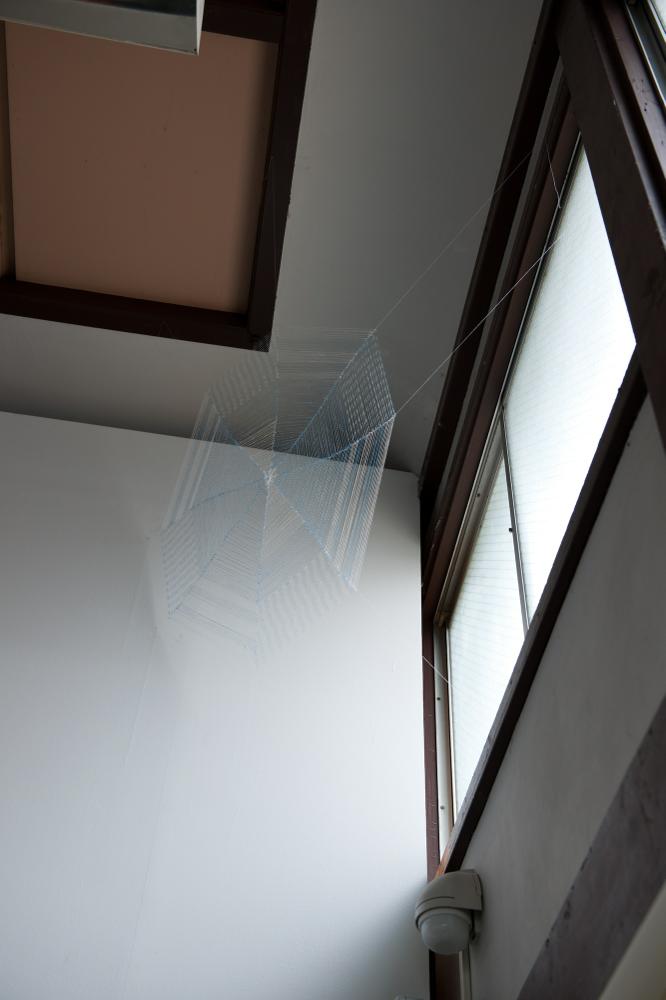
web #3 2012 Material : dress Dimension : h.75 x w.75 cm Photo by Nobutada OMOTE(SANDWICH GRAPHIC) Collection : Takahashi collection |
 |
|
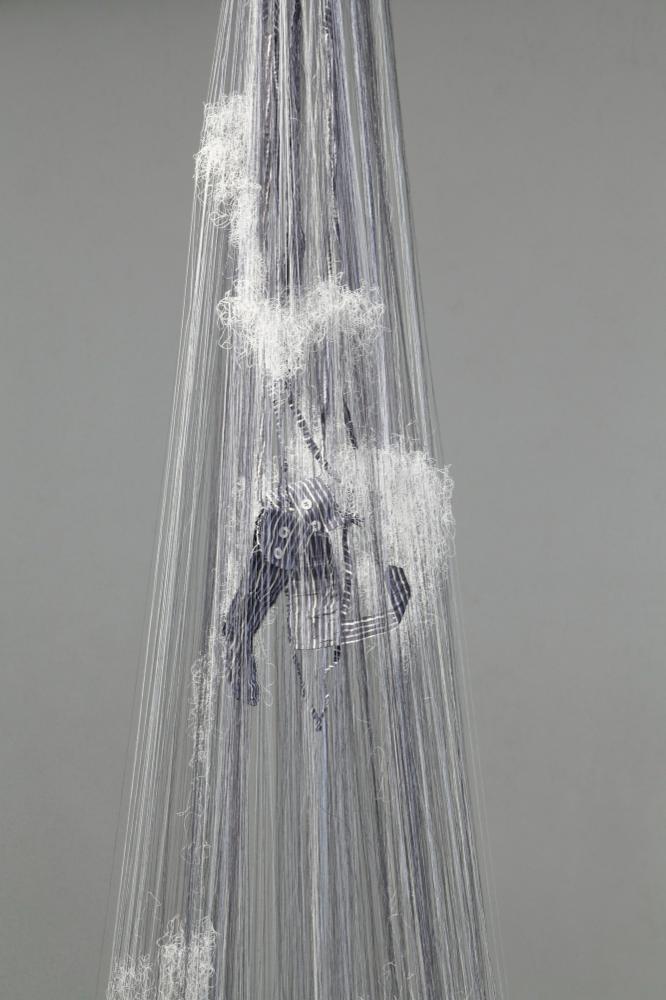
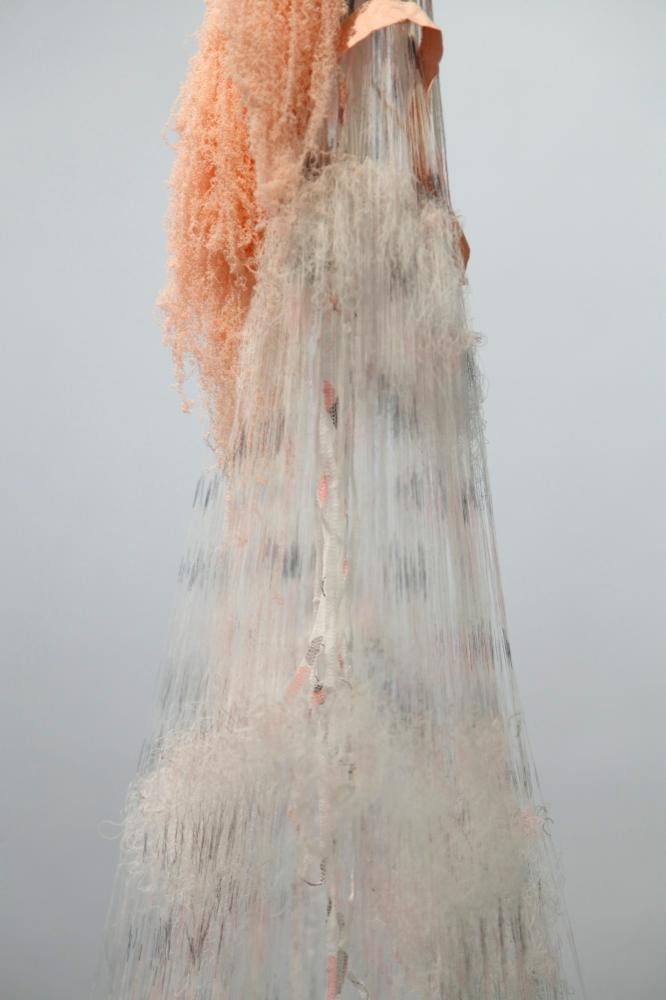
39 untitled -Berliner Family- 2011 Material : negligee(grandmother), shirt(father), polo shirt, miniskirt(daughter) Dimensions variable Installation view : Takamatsy City Museum of Art, Kagawa, 2012 Photo by Keizo Kioku |
 |
 |
 |
 |
|
38 untitled -Berliner Flag- 2011 Material : Berliner flag Dimension : w.30cm x h.7m |
 |
|
36 untitled 2011 Material : map (INDEX berlin) |
 |
|
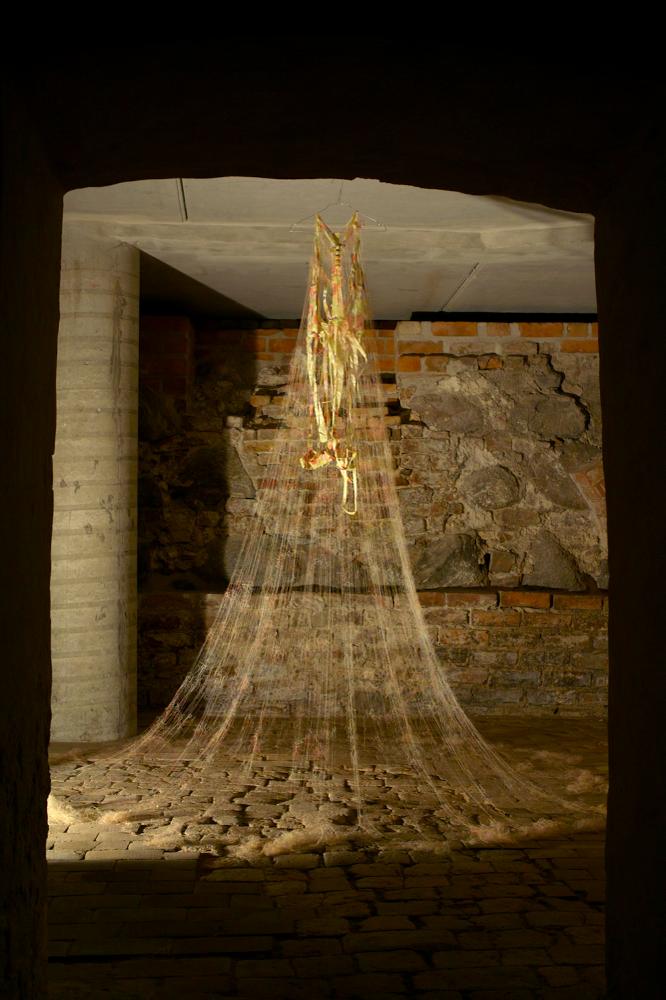
35 untitled -dress- 2010 Material : dress Dimensions variable Installation view : historischer Keller, Berlin, 2012 Collection : Takahashi collection |
 |
|
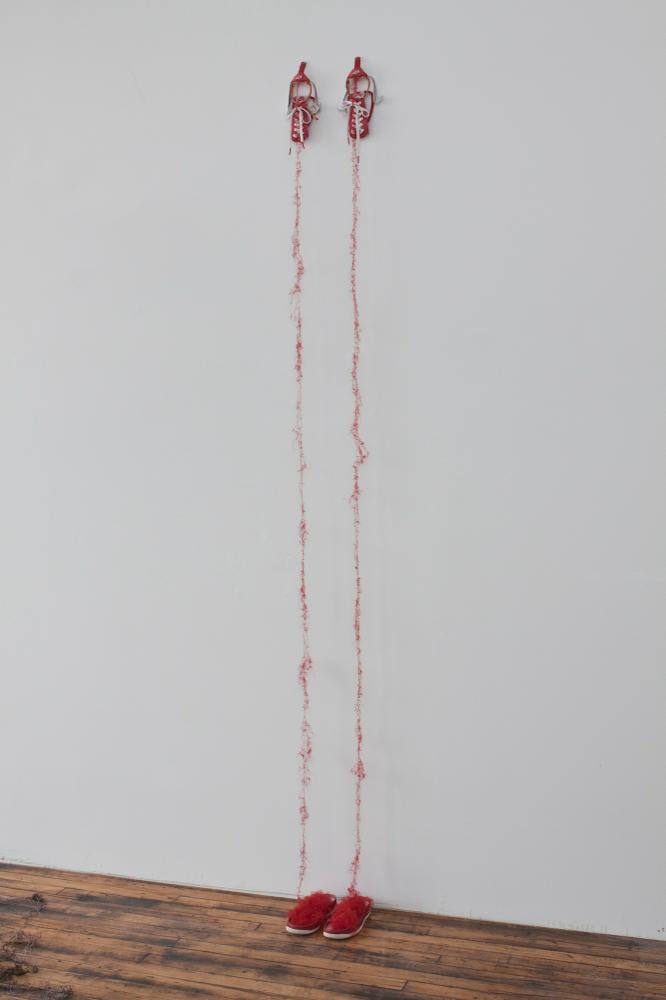
28 untitled -red NIKE- 2009 Material : sneaker Dimensions variable Photo by Katsuhiro Saiki Collection : Takahashi collection |
 |
|
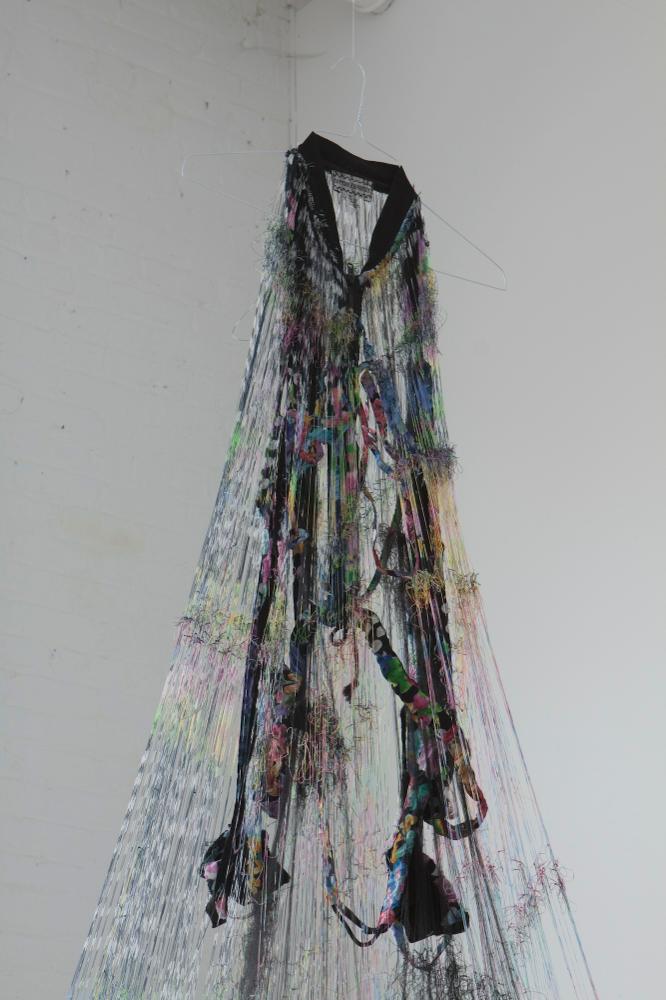
27 untitled -jacket- 2008 Material : jacket(New York) Dimensions variable Photo by Katsuhiro Saiki Collection : Arts Maebashi |
 |
|
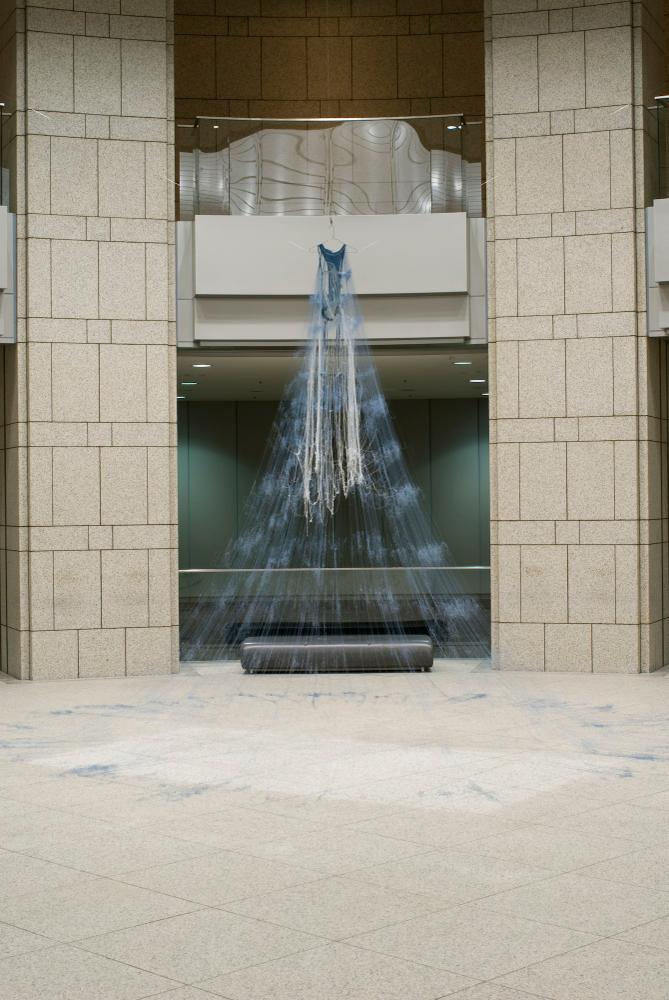
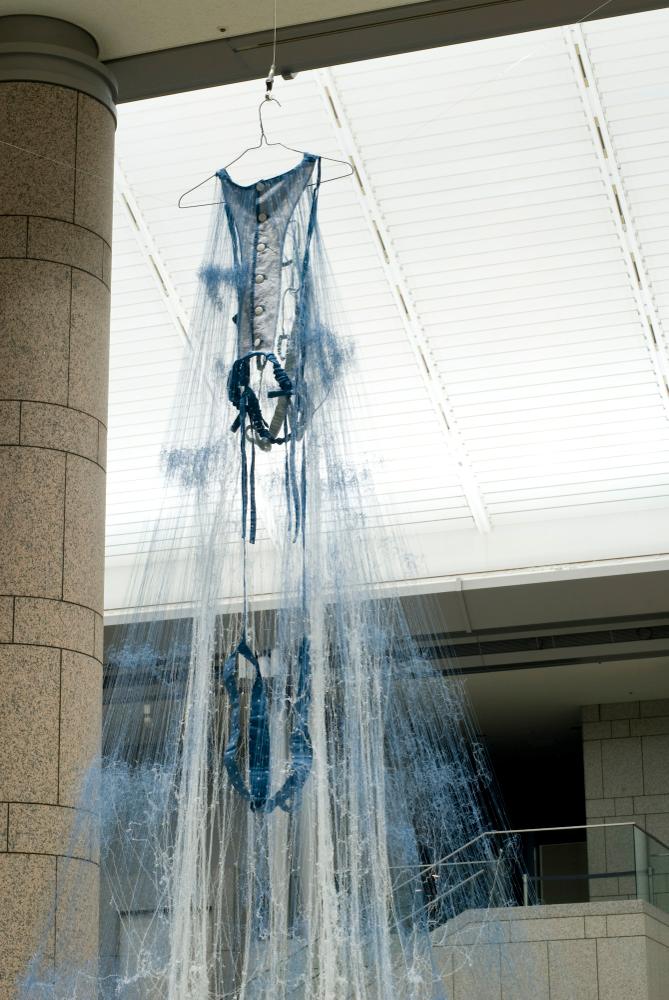
25 untitled -mother and baby- 2008 Material : dress, babies's wear Dimensions variable Installation view : YOKOHAMA MUSIUM OF ART, 2008 Photo by Ken Kato |
 |
 |
|
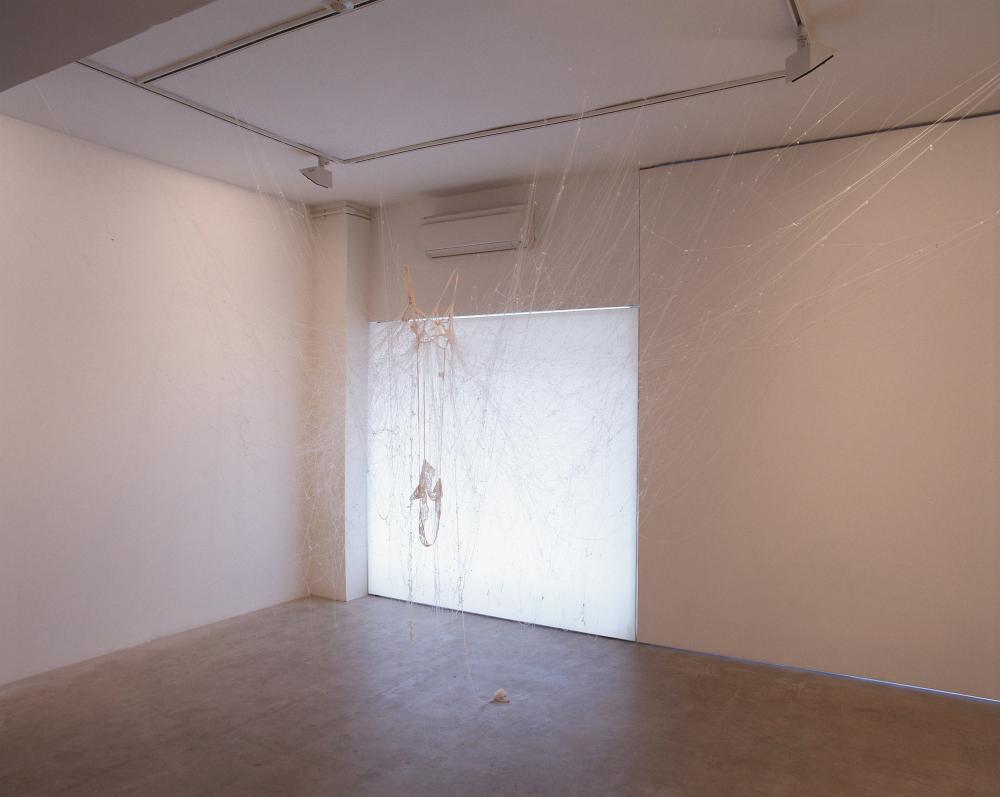
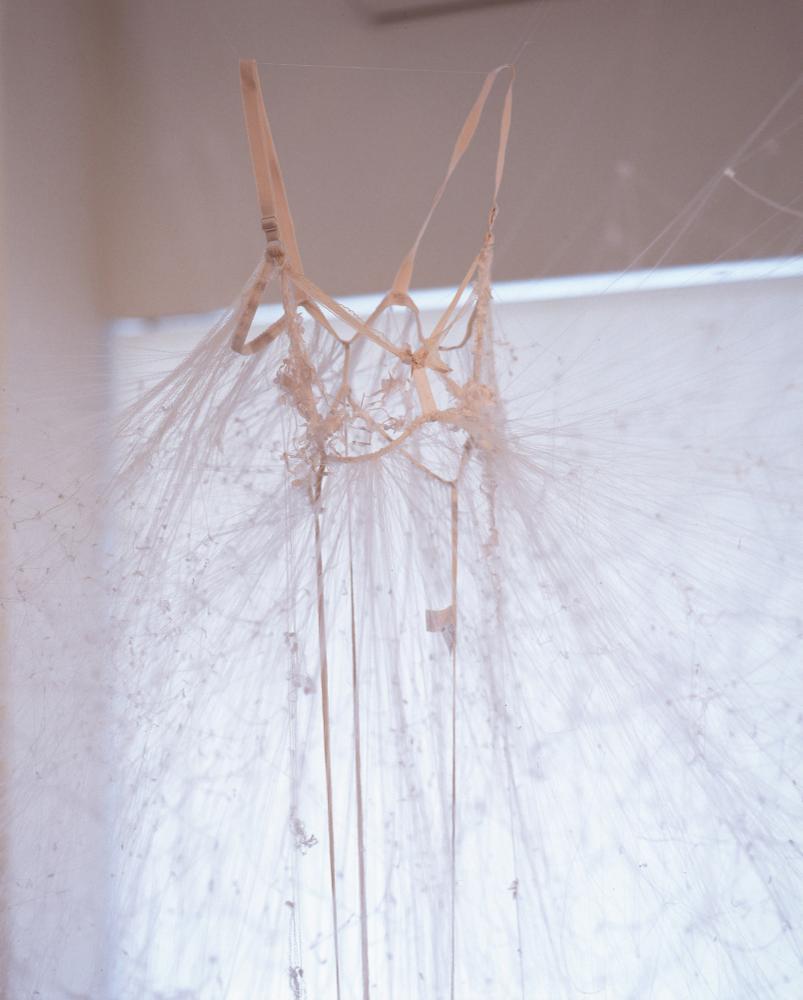
23 untitled -slip- 2007 Material : slip Dimensions variable Installation view : SCAI X SCAI, 2007 Photo by Keizo Kioku |
 |
 |
|
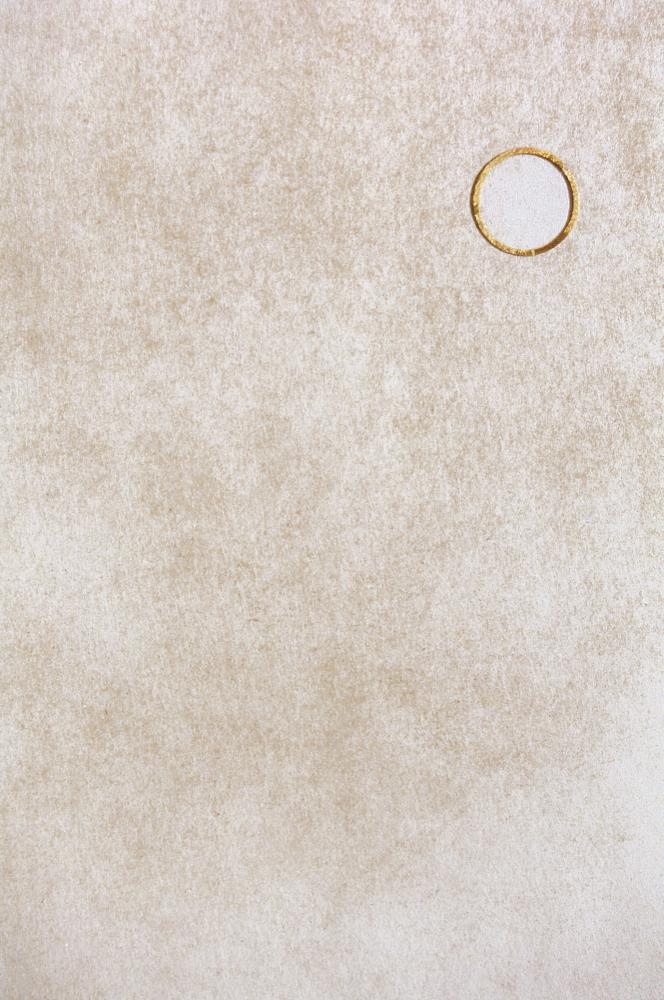
22 untitled -ring- 2007 Material : ring, paper Dimension : h.87.5 x w.61cm |
 |
|
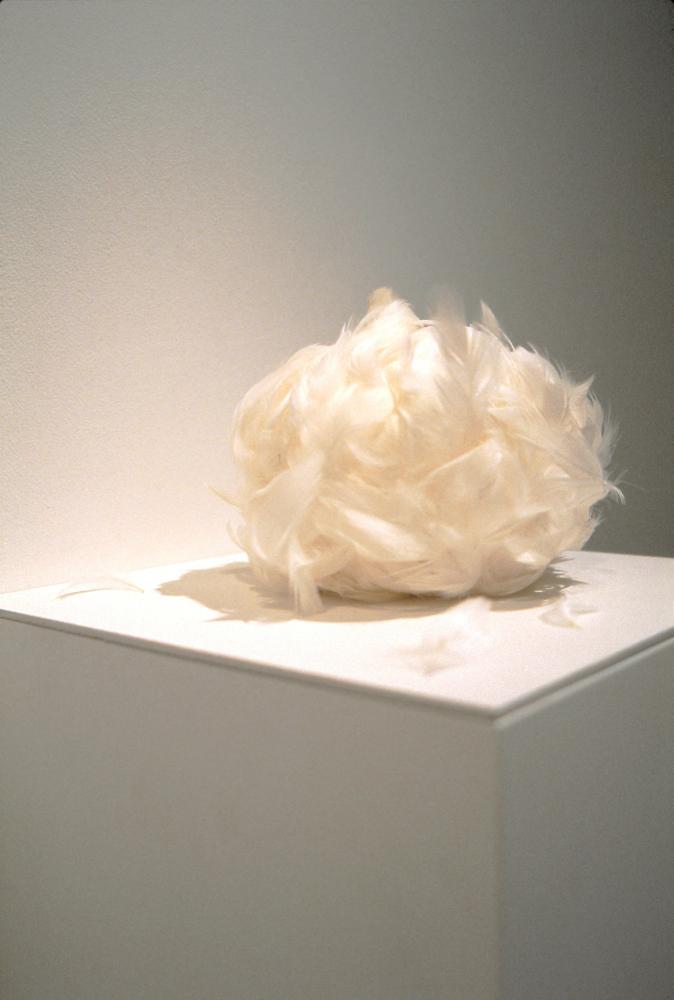
21 dream flower 2007 Material : feather of pillow Dimension : h.20 x w.20 x d.15cm Photo by Keizo Kioku |
 |
|
19 untitled -hair ring- 2007 Material : pink hair ring Dimensions variable photo by Yoshihiko Shikada Installation view : Former Naka Waste Incineration Plant, 2007 |
 |
|
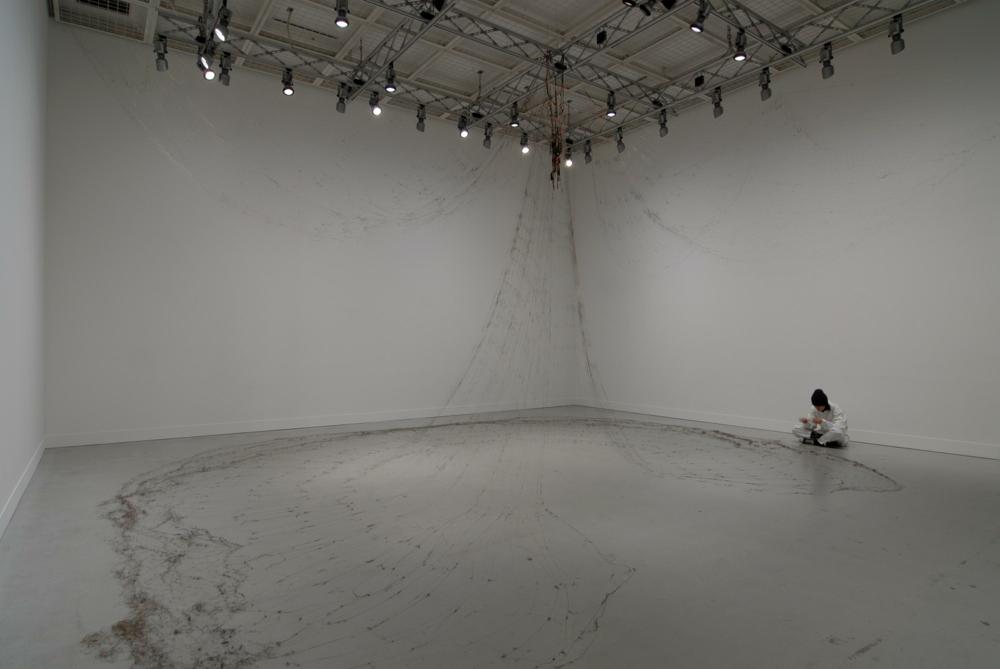
18 untitled -dress- 2007 Material : dress Dimensions variable photo by Ken Kato Installation view : Shiseido Gallery, 2007 |
 |
|
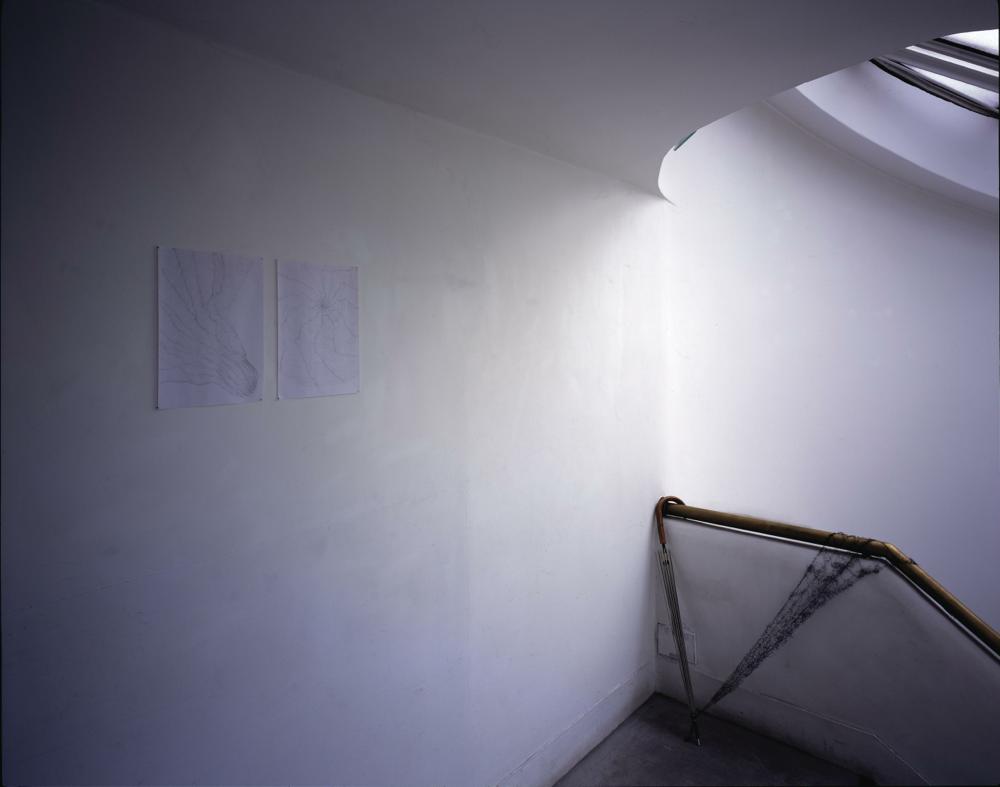
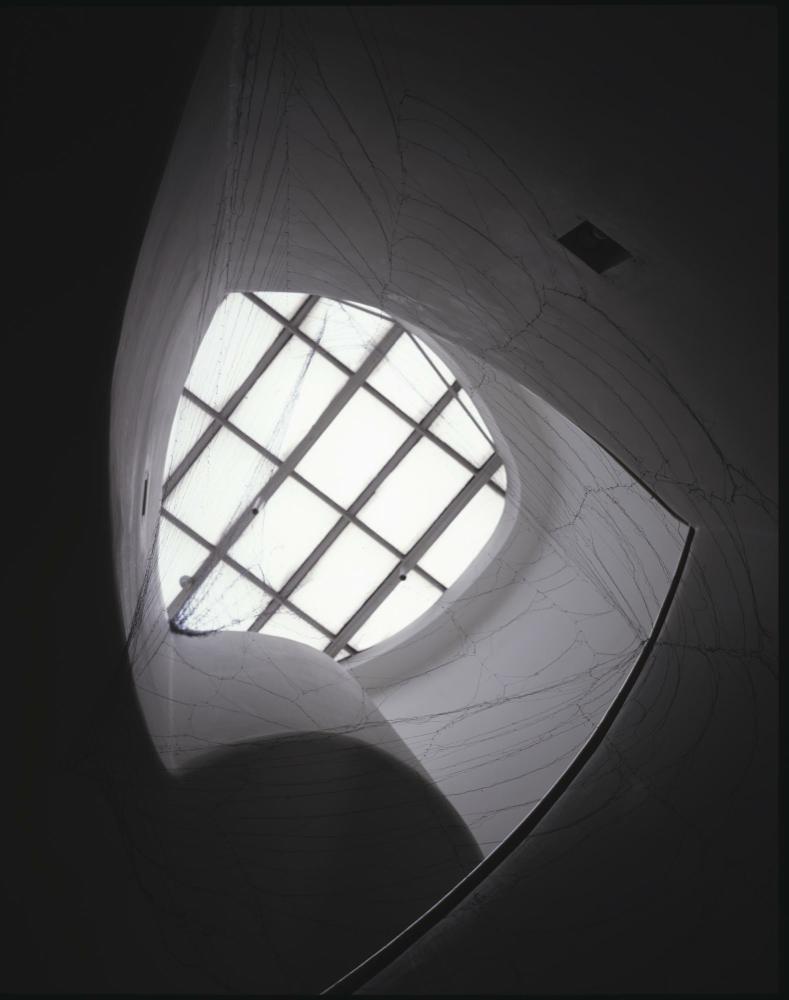
14 untitled -kasa- 2006 Material : umbrella Dimensions variable photo by Nozomi Tomoeda Installation view : L'Institut Franco-Japonais de Tokyo, 2006 |
 |
 |
|
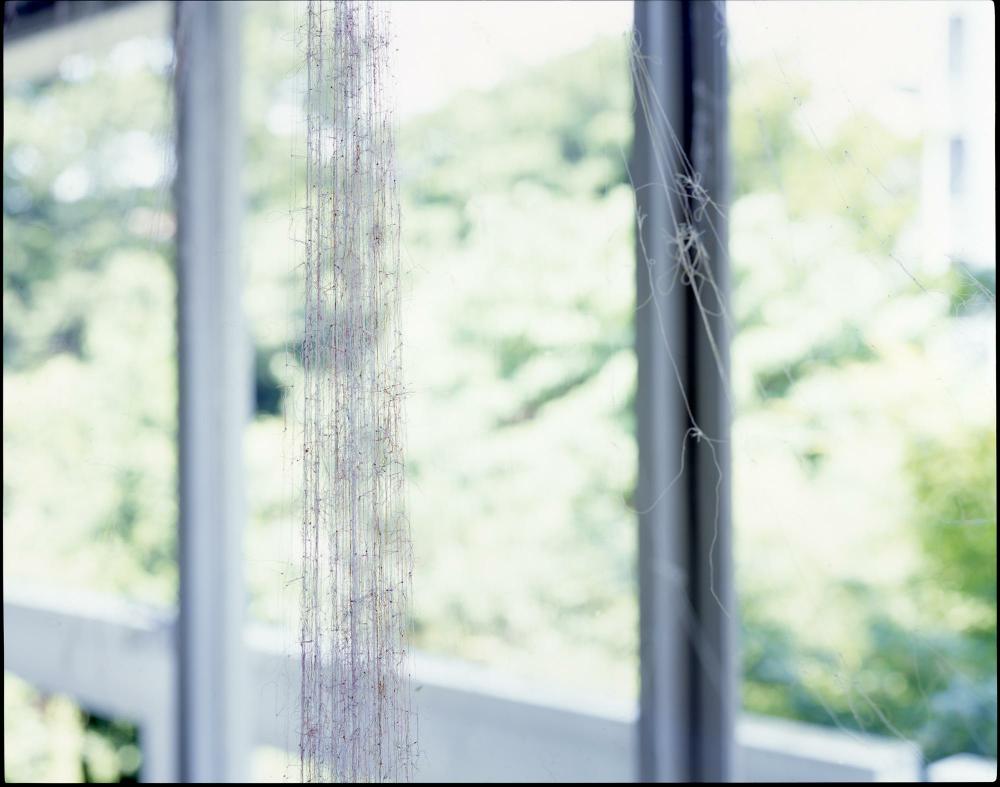
13 untitled -skirt- 2006 Material : skirt Dimensions variable photo by Nozomi Tomoeda Installation view : L'Institut Franco-Japonais de Tokyo, 2006 |
 |
 |
|
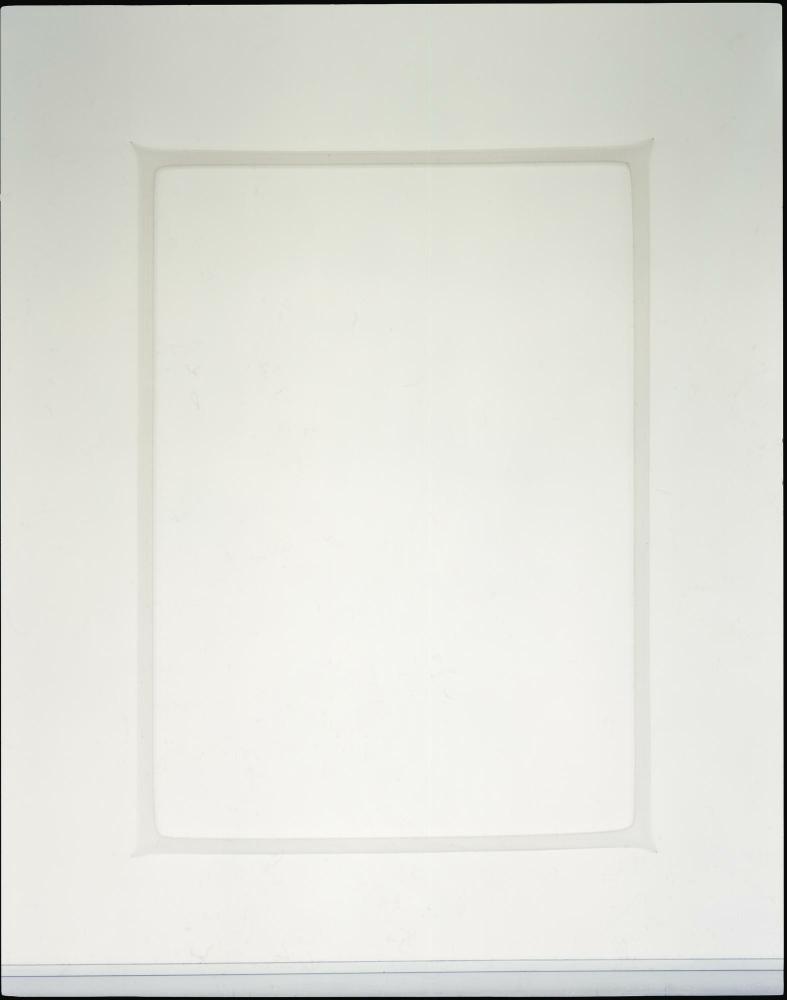
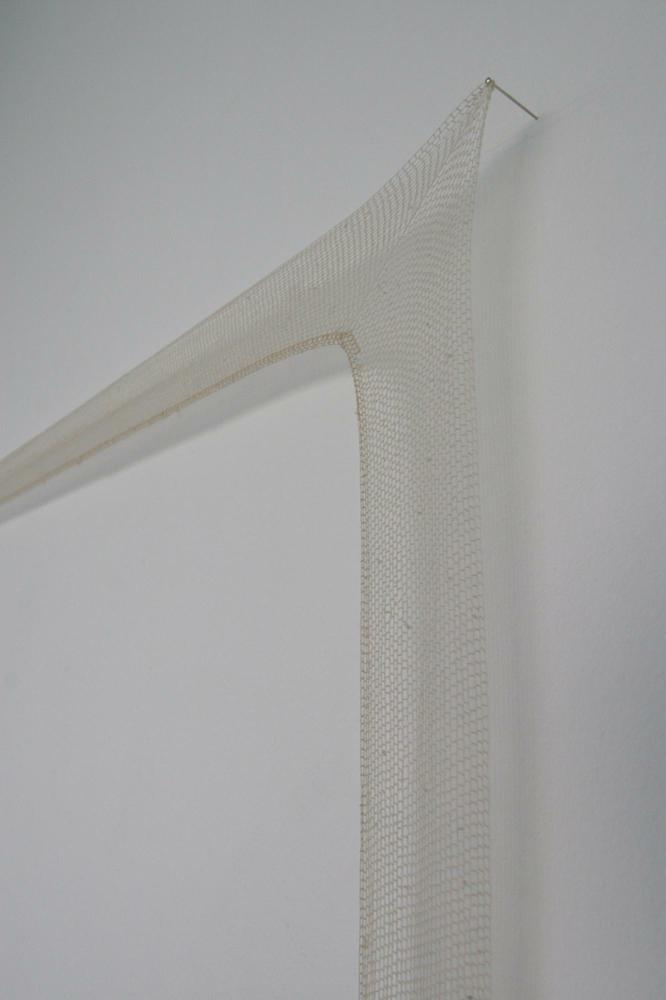
12 untitled -stockings- 2006 Material : stockings Dimension : h.150 x w.110cm photo by Nozomi Tomoeda Installation view : L'Institut Franco-Japonais de Tokyo, 2006 |
 |
 |
|
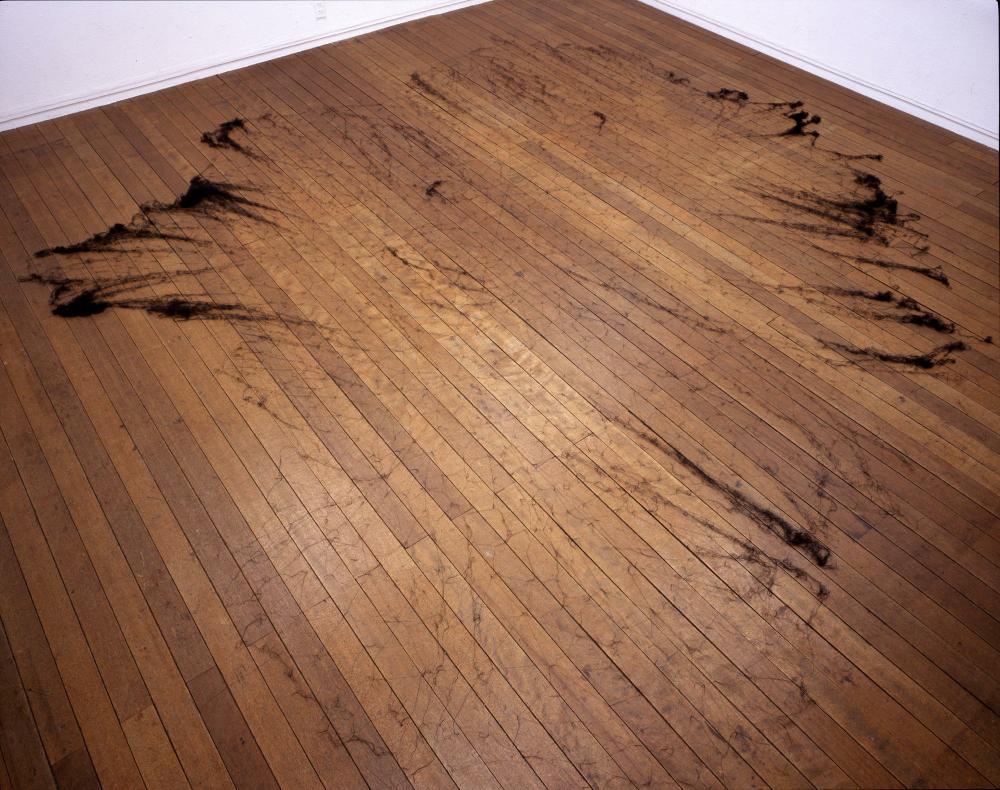
11 untitled 2005 Material : black shirt, time clock, time card Dimensions variable |
 |
|
8 untitled 2003 Material : handkerchief Dimensions variable Installation view : Museum of Art, Hiroshima City University, 2003 |
 |
|
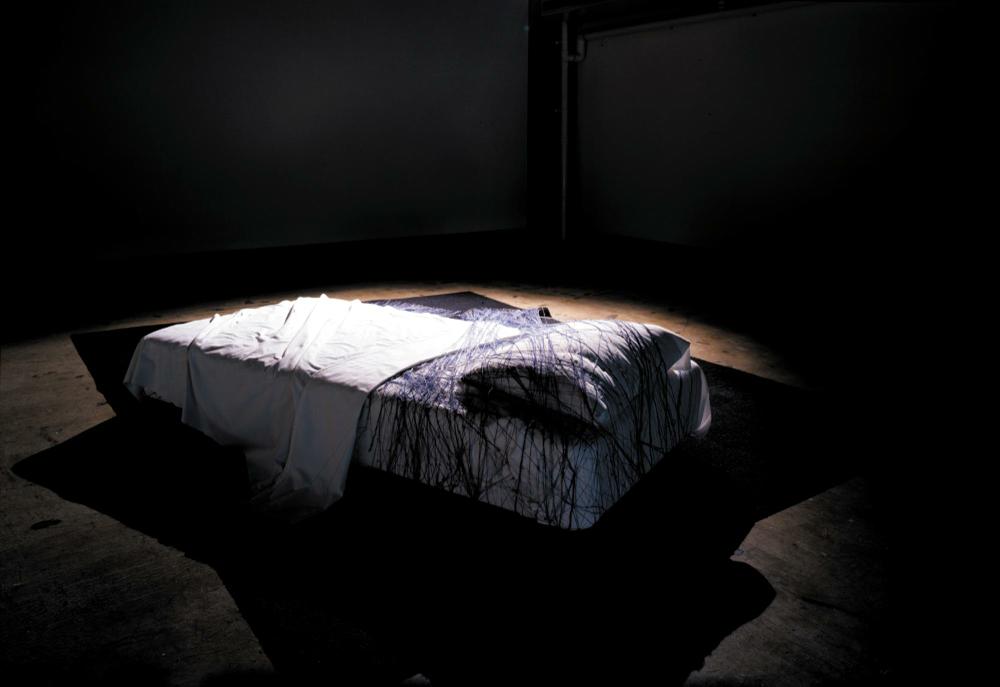
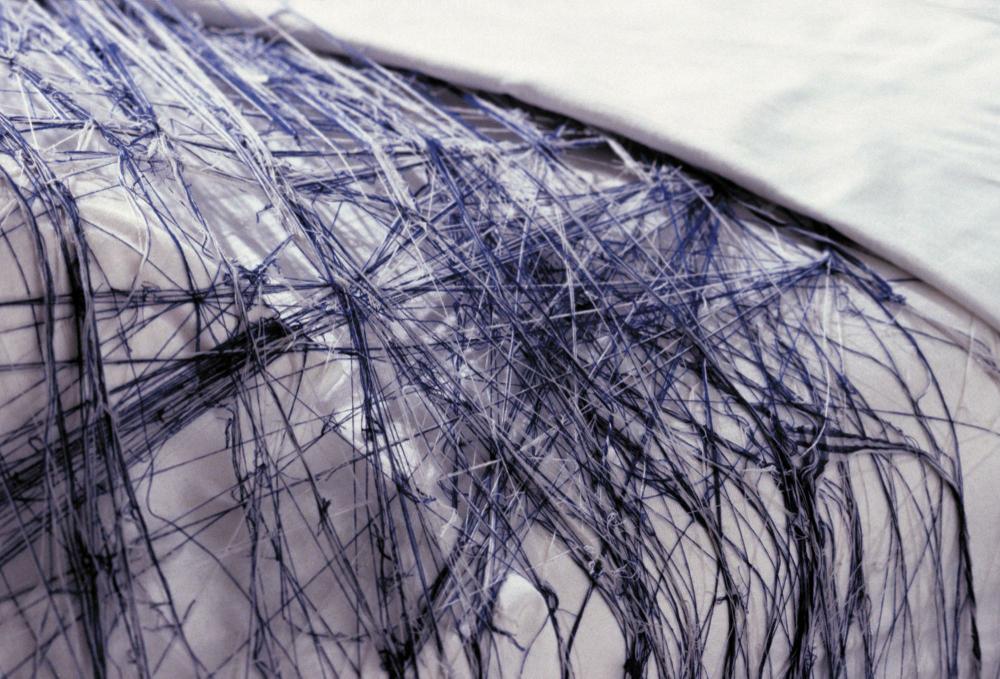
2 pajamas 2000 Material : pajamas, bed, carpet Dimension : h.40 x w.352 x d.261cm |
 |
 |
|
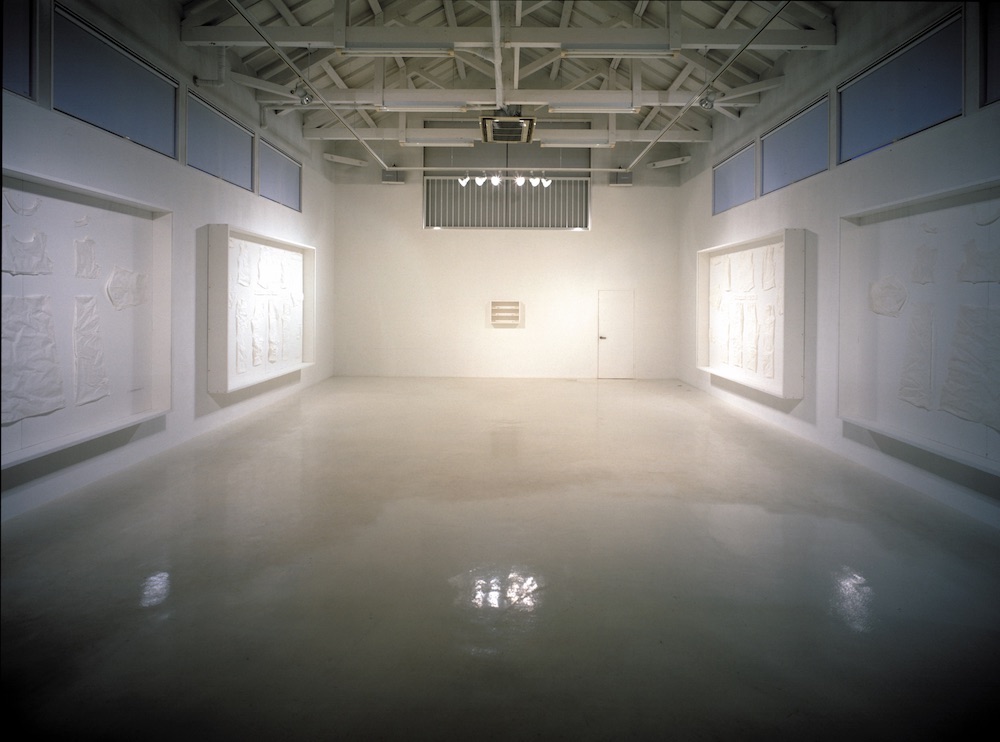
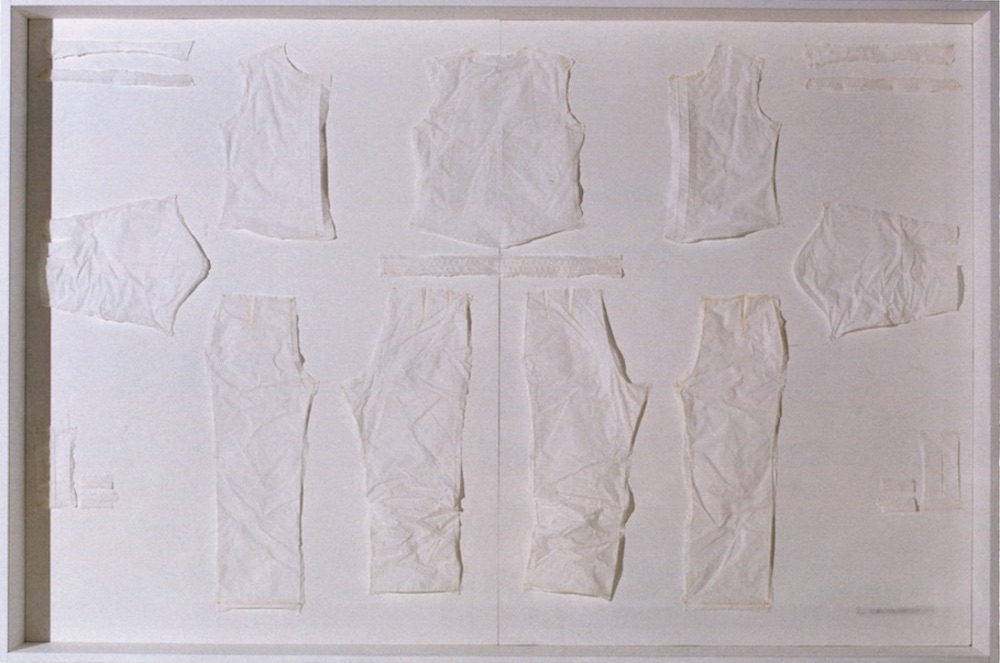
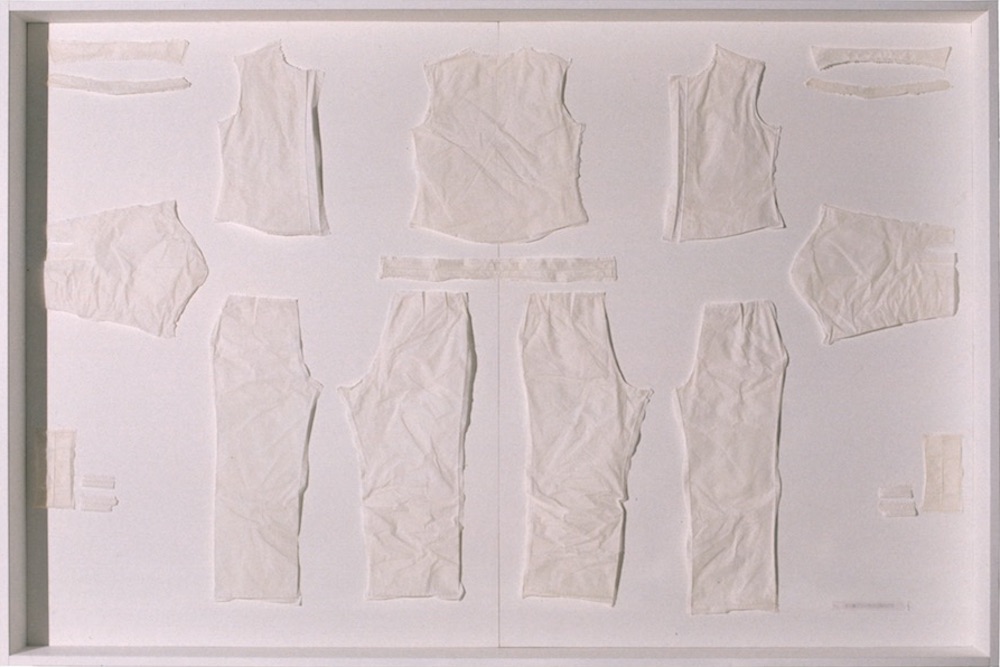
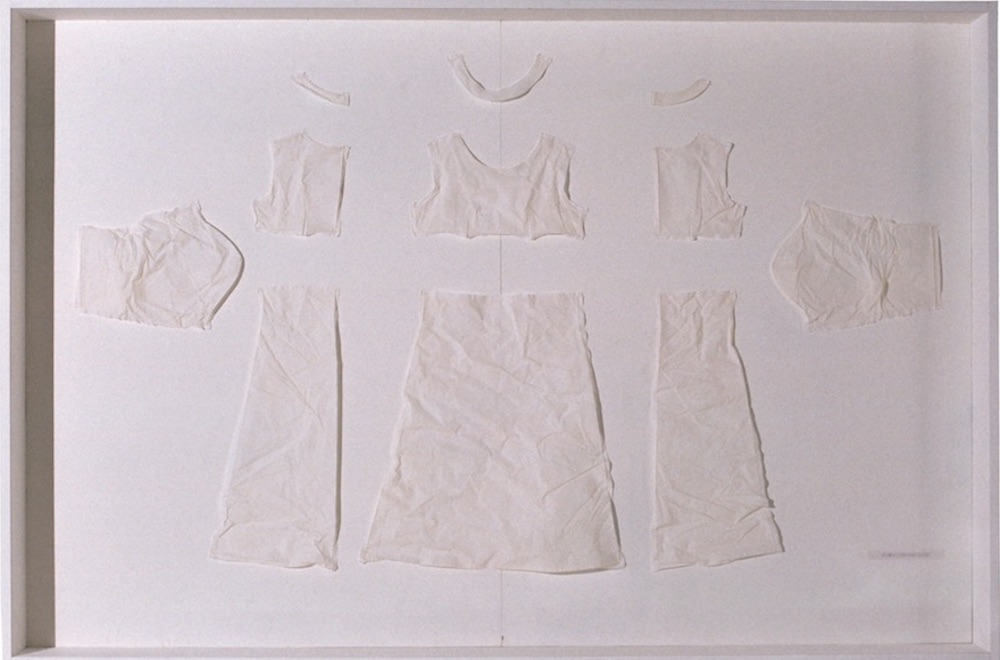
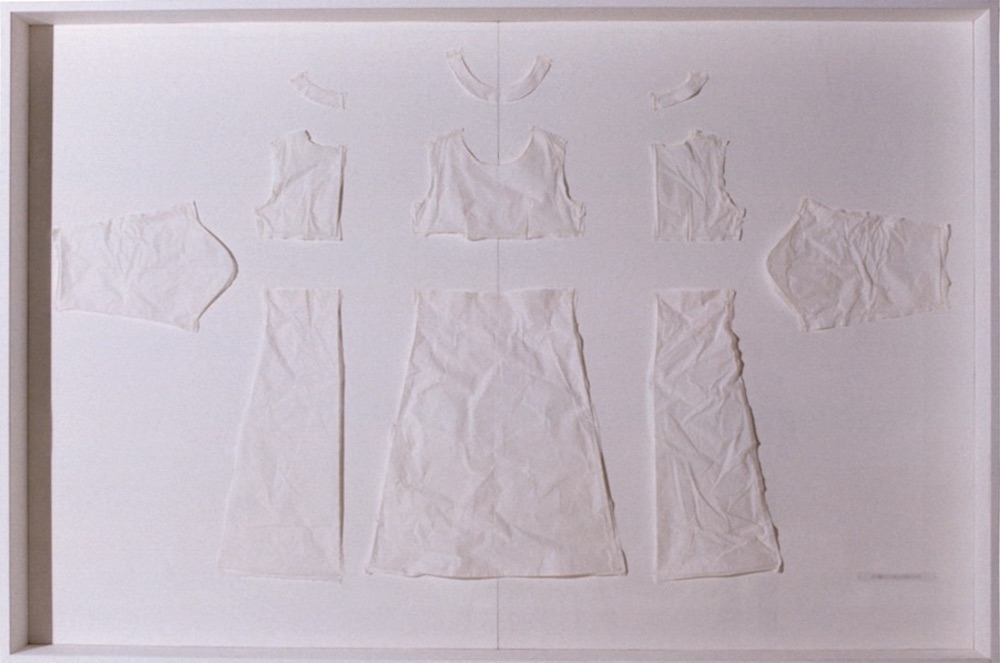
1 self portrait 1999 Material : cotton, acrylic board, paint on wood, pin Dimension : each h.200 x w.300 x d.25cm |
 |
 |
 |
 |
 |
| ::::: |
|
1975 Born in Nagasaki 2003 Ph.D., Hiroshima City University 2006 Art Documents Support Program by SHISEIDO 2007 shiseido art egg Award, Japan 2008 Fellowship, Asian Cultural Council (Japan - United States Arts Program at ISCP, N.Y., USA) 2009 Fellowship, Agency for Cultural Affairs, Japan, Emerging Artist Overseas Study Grant(Berlin, Germany) 2010 Fellowship, POLA ART FOUNDATION(Berlin, Germany) Solo Exhibitions 1998 STUDIO SAKO, Hiroshima 2002 GalleryQ, Tokyo 2003 Museum of Art, Hiroshima City University 2004 GalleryK, Tokyo 2005 GalleryK, Tokyo 2006 “arrangement”, L'Institut Franco-Japonais de Tokyo 2007 “aerosol”, SHISEIDO GALLERY, Tokyo 2007 SCAI X SCAI, Tokyo 2009 KUMUKUMU, New York 2012 “Re-Dress”, SCAI THE BATHHOUSE, Tokyo 2017 “KOINOBORI -a retrospective aerial fish-” mm project, Hiroshima 2018 “Memory and History” POLA MUSEUM OF ART, Kanagawa 2018 SCAI PARK, Tokyo 2021 mm project, Hiroshima 2022 “Umbrella” Yebiden Gallery, Hiroshima Group Exhibitions 2001 “Art Crossing Hiroshima Project 2001 spring”, Hiroshima 2002 “Four Exhibition”, Daiwa Radiator Factory, Hiroshima 2005 “New Art Competition”, Hiroshima City Museum of Contemporary Art 2005 “GIFT OF HIROSHIMA - Art Crossing Hiroshima Winter”, Braunschweig University of Art, Germany 2006 “New Art Exhibition 2006”, Yokohama Civic Art Gallery, Kanagawa 2007 “HIROSHIMA ART PROJECT -turning waste incineration plant into art center”, Hiroshima 2007 “NAKANOJO BIENNALE”, Gunma 2008 “Voyage a NUNO”, Takamatsu Historical Museum, Kagawa 2008 “OFF SITE 2007 hirano kaoru/sullen”, YOKOHAMA MUSEUM OF ART, Kanagawa 2008 “The House”, Nippon-Homes Model House in Nishi-Azabu, Tokyo 2008 “KOGANECHO BAZAAR”, Kogane-cho, Kanagawa 2008 “OPEN STUDIO”, ISCP, New York 2008 KUMUKUMU, New York 2009 “imMATERIAL WINTER GROUP SHOW”, BLACK AND WHITE GALLERY, New York 2009 “ECHIGO TSUMARI Art Triennial”, Fukutake House, Niigata 2009 “HIROSHIMA ART PROJECT -Kippo Maru: Exploring inside the Ship!-”, Hiroshima 2010 “almost the same, but not quite”, Berlin 2010 “Universität der Künste Berlin Rundgaung 2010”, Berlin 2010 “WE ARE THE ISLANDS”, Bethanien Kreuzberg, Berlin 2011 “Durchgang”, Wostel, Berlin 2011 “MAGICAL WORKS”, Nakanojo Biennale, Gunma 2011 “Vision & Fashion Bilder der Mode 1980-2010”, Sonderausstellungshallen am Kulturforum Potsdamer Platz Staatliche Museen zu Berlin 2012 “blooming in the dark”, historischer Keller, Berlin 2012 “Takamatsu Contemporary Art Annual vol.02”, Takamatsu City Museum of Art, Kagawa 2012 “A BURNT-OUT CASE?”, NGBK, Berlin 2013 “DOMANI: The Art of Tomorrow 2013”, The National Art Center, Tokyo 2013 “More or Less”, WCW Gallery, Humburg 2013 “TAKAHASHI COLLECTION Mindfulness!”, KIRISHIMA OPEN-AIR MUSEUM, Kagoshima/SAPPORO ART PARK, Hokkaido 2014 “Meet! 2014 Aus der Luft gegriffen”, Städtische Galerie KUBUS, Hannover 2014 “Familienchroniken”, TextilWerk, Bocholt 2014 “Berlin Art Prize”, Kuehlhaus, Berlin 2014 “Wardrobe Memories”, Arts Maebashi, Gunma 2015 “The Exhibition of the Yokohama Museum of Art:Collection 2015 Part 1”, Yokohama Museum of Art, Kanagawa 2015 “STELLAR - WANDERING STARS SUITE”, Nord/LB Art Gallery, Hannover 2016 “Textile Erinnerungen – Remembering Textiles”, tim | Staatliches Textil- und Industriemuseum Augsburg 2016 “Phenomenon”, ART GALLERY miyauchi, Hiroshima 2016 “Textile Erinnerungen – Remembering Textiles”, LWL-Industriemuseum TextilWerk Bocholt 2017 “The Life in Satoyama The Artists - Into the Streets”, Kake shopping street, Hiroshima 2017 “KUNSTstoff-TextilART”, Kunstverein Gelsenkirchen 2017 “BINDING THREADS / EXPANDING THREADS”, Hiroshima City Museum of Contemporary Art 2019 Arts Maebashi, Gunma 2019 “Setouchi Triennale 2019”, Syodoshima, Kagawa 2019 “Threads of Thoughts”, GALLERY GALLERY, Kyoto 2019 “Carp swim”, Hiroshima City Museum of Contemporary Art 2020 “SCAI 30th Anniversary Exhibition”, Komagome SOKO, Tokyo 2021 “dawn”, TOKYU PLAZA SHIBUYA, Tokyo 2021 “Motoi no Machi”, M98, Hiroshima 2022 “Motoi no Machi”, display, Hiroshima 2022 ”ARTIST TRANSFER in Hiroshima”, ART GALLERY miyauchi, Hiroshima 2023 “Collection Exhibition 2023-Ⅰ Collection Highlights” Hiroshima City Museum of Contemporary Art 2023 10 Years Anniversary Collection + "From Palm of the Hand to the Universe" Arts Maebashi, Gunma Collection TAKAHASHI COLLECTION, Arts Maebashi, Hiroshima City Museum of Contemporary Art Workshop “Kaoru HIRANO Work Shop” Takamatsu City Museum of Art Bibliography 2023.09.15
|
| ::::: |